Claire Bennett
Wine Editor29 min read
Best Wine for a Dinner Party (12 Crowd Picks)
12 dinner party wines across sparkling, white, rosé, and red. Crowd-friendly, food-flexible bottles every guest will be glad you brought.
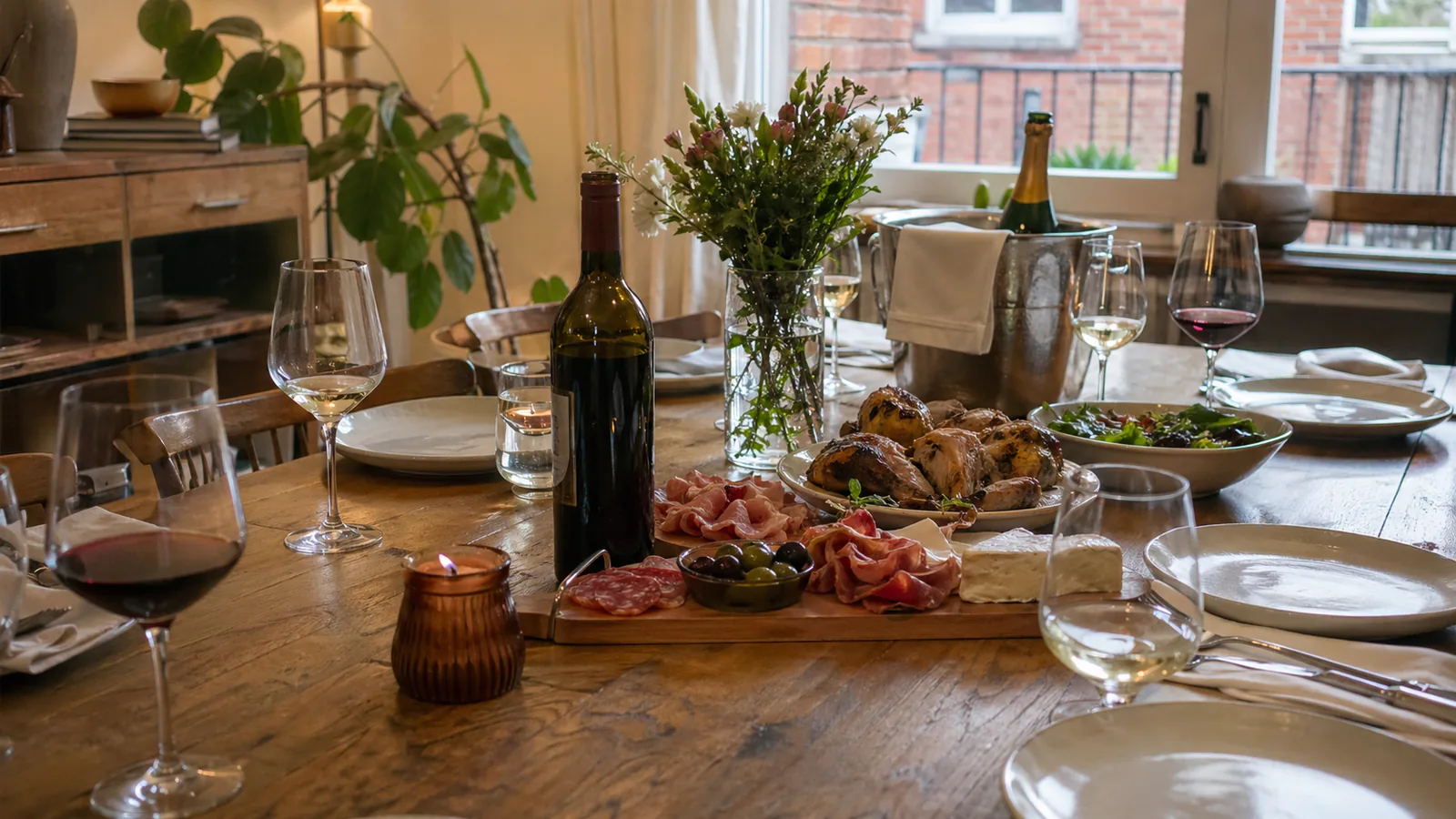
The best dinner party wine does one thing quietly well: it suits a crowd without requiring everyone to share the same palate. Bold enough to hold up to food, friendly enough not to alienate anyone, and good enough that someone at the table asks what it is. The bottles on this list fit that brief at every price point.
This list is 12 bottles built for that exact moment. Three sparkling, three whites, one rosé, and five reds. Each one earns its spot for a different reason: a crisp aperitif pour, a white that handles the starter, a red that survives the main course, a splurge that signals you put thought into it.
Pick by the food on the table, the budget in your wallet, or the person you’re trying to impress. Every bottle here is one we’d happily open at our own table tonight.
Our Top 3 Picks


Prices vary by state. Click through for your current price.
Best Sparkling Wines for a Dinner Party
Sparkling is the safest pour to start a dinner party. It cues the room that the night has begun, it pairs with whatever’s on the appetizer plate, and it gives every guest something cold in the hand within thirty seconds of walking through the door. These three cover the full range from $19 workhorse to splurge Champagne.
La Marca Prosecco
La Marca is the Prosecco the rest of the category measures itself against. Two thousand-plus customer reviews on the retailer site, 4.2 stars, 90 points from James Suckling, and 90 from Wilfred Wong. It’s a classic Glera from the Conegliano-Valdobbiadene heartland: green apple, honeysuckle, lemon pith, persistent fine bubbles, clean dry finish.
At $18.97, it’s the dinner party wine that does five jobs at once. Aperitif on arrival, mid-meal palate reset, mimosa base if anyone stays for brunch the next morning. The bottle that earns its place on every hosting list for a reason.
Nino Franco Rustico Valdobbiadene Superiore
If the dinner is a real event and the Prosecco needs to feel like one too, this is the bottle. Nino Franco Rustico is from the Valdobbiadene DOCG hillside fruit, which carries more acidity and structure than flatland Prosecco DOC. The Tasting Panel scored it 95. James Suckling has matched it with 92 across multiple vintages.
Pear, white peach, white flower, a finer and more persistent bead than standard Prosecco. The kind of sparkling wine that holds its own through a starter course of risotto, prosciutto, or a soft cheese plate. At around $22, it’s the upgrade pick for guests who notice the difference.
Veuve Clicquot Yellow Label Brut
The most recognisable Champagne label there is, which matters at a dinner party because every guest knows what it is the moment it lands on the table. Veuve Clicquot Yellow Label scored 93 from the Tasting Panel, 92 from James Suckling, 91 from Decanter. Pinot Noir, Chardonnay, and Pinot Meunier blended across multiple vintages for the brand’s signature consistency.
Apple, brioche, fine bubbles, a clean dry finish. At $69.97, this is the splurge sparkling for the dinner that calls for a real toast. Birthday milestones, engagements, the first time hosting in a new place. The yellow label does the talking before the cork even pops.
Best White Wines for a Dinner Party
White wine is the natural fit for the first half of a dinner party. It pours chilled the moment guests sit down, it pairs with most starters, and it covers the lighter mains: chicken, pasta, fish, salads. These three span every white style worth pouring at the table.
Kim Crawford Sauvignon Blanc 2025
The crisp white that everyone at the table will recognise and nobody will turn down. Kim Crawford built its name on Marlborough Sauvignon Blanc made vibrant and consistent year after year. The 2025 brings lime, green apple, melon, and fresh herbs on the nose, then a bright, light-bodied palate with the clean dry finish that makes it endlessly food-friendly. James Suckling scored it 90.
At $17.97, this is the casual dinner party white. Stock two bottles, pour a glass per guest before the food arrives, and pair it across the meal with caesar salad, grilled shrimp, soft cheese, or anything from the sea. The bright citrus character cuts straight through richer dishes too.
Rombauer Chardonnay 2024
If your guests lean rich and creamy on whites, Rombauer is the bottle that makes their night. Carneros at the cool southern tip of Napa is where the buttery California Chardonnay style hits its highest expression, and Rombauer is the producer that defined it. Yellow peach, ripe melon, vanilla, butterscotch, and a long creamy finish that lingers from the first sip to the last.
The 2024 lands at 14.6% ABV with the kind of full-body richness that pairs beautifully with the heavier moments of a dinner party. Lobster bisque, pasta in cream sauce, butter-roasted chicken thighs, anything in a saffron or beurre blanc sauce. It’s the white that converts the wine drinker who normally only drinks red.
William Fèvre Chablis Champs Royaux 2024
The other side of Chardonnay, and the bottle to bring when you want to surprise guests who think they know the grape. Chablis skips the oak entirely. What you get instead is citrus, white stone fruit, and the mineral chalkiness that comes from the Kimmeridgian limestone soils of northern Burgundy. The wine tastes lean, precise, and refreshing in a way California Chardonnay rarely does.
William Fèvre is the largest Grand Cru landowner in the Chablis appellation, which is about as established as French wine credentials get. The Champs Royaux is their entry-level Burgundy bottling: bright, mineral, food-friendly. Pair classically with oysters, scallops, or a chicken in cream sauce. The acidity cuts straight through.
Best Rosé for a Dinner Party
Rosé is the in-between pour that works as an aperitif and follows guests into the meal. The bottle below is dry, mineral, Provence-style, and nothing like the sweet pink wine that gives the category a bad name.
Miraval Rosé 2024
Miraval is made in Provence and it has the credentials to back the bottle. Decanter scored it 92, James Suckling scored it 92, Robert Parker added 90. Three of the most respected critics in wine arriving at the same range on a Grenache, Cinsault, and Syrah blend that retails at $19.97.
Dry strawberry, peach, a mineral finish that lifts it well above standard rosé territory. The label is elegant and immediately readable as a considered choice rather than a random grab. Pair it with a charcuterie board, grilled fish, summer salads, or pour it as a between-courses palate reset. Every dinner party benefits from a chilled bottle of this in the door.
Best Red Wines for a Dinner Party
Red wine is the pour that anchors the second half of a dinner party. The mains land on the table, the conversation has loosened, and the bottle that gets opened next decides whether the meal lifts or settles. These five span light-bodied Burgundy to splurge Napa, with options for every food pairing and budget.
Louis Latour Bourgogne Pinot Noir 2022
The most versatile red on this list. Pinot Noir from Burgundy works with chicken, salmon, mushroom risotto, pork tenderloin, and lighter pasta dishes that big reds bulldoze. Louis Latour is one of the most established names in Burgundy, and the regional Bourgogne bottling is the easiest way in: bright red cherry, a little forest floor, soft tannin, no oak overload. Customer rating is 4.5 stars from verified buyers.
Body is feather-light, alcohol sits around 12.5%, the finish reads clean and refreshing. Chill it for fifteen minutes before serving and it shows even brighter. The textbook dinner party red for the menu that doesn’t centre on red meat.
Castellani Chianti Classico Riserva 2019
If the menu involves pasta, pizza, or anything with tomato and garlic, this is the bottle that goes with it. Chianti Classico Riserva has to age a minimum of 24 months before it can even be sold, so you’re not buying something rushed to market. James Suckling scored it 91. A second reviewer added 91. It carries 4.3 stars from over 100 customers and landed on a major retailer’s Top 100 of 2025 list.
Dried cherry, a thread of leather, clean acidity. Sangiovese is built for Italian food in a way no other grape quite matches. At under $20, it’s the best pasta wine you can put on a dinner party table without breaking the budget on a serious bottle.
La Massa Toscana 2021
The medium-bodied red that drinks like something twice the price. La Massa is a Sangiovese-led Tuscan blend with Cabernet and Merlot, and the 2021 collected 94 points from Robert Parker, 94 from Vinous, and 93 from James Suckling. Three of the most respected critics in wine, all landing 93 or above on a sub-$30 bottle.
Dark cherry, dried herbs, tobacco, leather, and a long savoury finish. The kind of red that gets opened in the middle of the meal and then quietly disappears before dessert. Pair it with pasta ragù, steak Florentine, mushroom risotto, or a serious charcuterie board. This is the bottle that earns the “what is this?” question from a guest.
Calculated Risk Reserve Cabernet Sauvignon 2023
Sonoma County Cabernet at $24.99 with 91 points from Wine Enthusiast. The bottle for the dinner where someone’s grilling steaks, cooking ribs, or building a board around aged cheeses and roasted meats. Ripe blackberry, cassis, cedar from proper oak ageing, and the kind of structured tannins that tell you the grapes came from somewhere serious.
The “Calculated Risk” label is clean and interesting enough to hold its own next to a serious dinner party setup. Customer rating sits at 4.2 stars across 180 verified buyers. If you want a Cabernet that drinks like $40 but costs less than $25, this is the easy answer.
AXR Proprietary Red 2023
The splurge red. AXR Proprietary Red is a Napa Valley Cabernet-dominant blend that scored 95 from James Suckling and 93 from Jeb Dunnuck. The “AXR” name refers to AXR1 rootstock, a piece of Napa viticulture history, which gives the bottle a built-in conversation starter for the table.
Full, dark, concentrated. Blackcurrant, mocha, ripe Napa tannins, a finish that makes you pour a second glass. At $48.99, this is the bottle for the dinner party that matters: a milestone, a thank-you, the first dinner you host for someone whose taste you respect. The fruitier 2023 vintage drinks beautifully now or holds for another year or two.
Find Your Dinner Party Wine
Not sure which one? Answer three quick questions.
Three quick questions. One matched bottle.
What's the main course at the dinner party?
What's your budget for this bottle?
What style of wine fits the room?
Let's find the right bottle for you.
Tell us a bit about the occasion and what you're after. We'll match you to one of the bottles on this page.
Photo by Skyler Ewing on PexelsReading your answers…
How We Chose These Dinner Party Wines
Frequently Asked Questions
How much wine do you need per guest at a dinner party?
Plan approximately half a bottle per guest across the full evening. For a six-person dinner party, that comes to three to four bottles in total, plus one extra in case the night runs long or someone stays for dessert. Split across the night, the standard pour is one sparkling bottle on arrival, one white through the starter, and one or two reds across the main course.
If the dinner skews casual or short, scale down to a third of a bottle per guest. If it’s a long evening with multiple courses, a sommelier-level rule of thumb is one full bottle per two guests. Hosting a wine-loving group? Plan more.
What wine should you bring to a dinner party as a guest?
The safest pick when you don’t know the menu is a Provence rosé like Miraval or a versatile red like La Massa Toscana. Both pair across most starters and mains without locking you into one dish. If the host mentioned the food, match: a crisp Sauvignon Blanc for seafood or salads, a Pinot Noir for chicken or salmon, a Cabernet for steak or aged cheese, sparkling for any pre-dinner moment.
A bottle in the $20 to $35 range reads as thoughtful without competing with the host’s menu. Our best wines under $30 list is a useful shortlist if you want vetted picks in that band. Skip the very cheap and the very expensive. Both create awkwardness.
Should you serve red or white wine first at a dinner party?
The standard order is sparkling on arrival, then white, then red. This builds from light and crisp to fuller and more tannic, which matches how most dinner party menus actually run: appetisers and salads, then a heavier main, then cheese or dessert. The wine pairing chart is the best at-a-glance reference for matching specific bottles to courses. Pouring a bold Cabernet before the food arrives flattens lighter dishes that follow.
If the menu is all red-meat or red-sauce, a single red across the night works fine. The order rule is a guide, not a law. Match the wine to the food.
Do you need to decant wine before a dinner party?
Most wines on this list don’t need decanting. The reds open up nicely with thirty minutes of air after pulling the cork. For bigger structured reds like AXR Proprietary Red or a young Cabernet, a quick decant for fifteen to twenty minutes before guests arrive does noticeably soften the tannin and bring out the fruit.
Whites and sparkling never need decanting. Just pull them from the fridge fifteen minutes before the first pour so they’re cold but not numb. Reds drink best slightly cool, around 16 to 18 degrees Celsius, rather than full room temperature.
More Dinner Party Wine Options Worth Knowing
For a casual gathering with a mixed crowd: When the food is loose and the guest list spans wine confidence levels, prioritise bottles that please without explanation. La Marca Prosecco, Kim Crawford Sauvignon Blanc, and Castellani Chianti Classico Riserva are the three picks here that absolutely never miss across a casual dinner party. All three lean fruity, approachable, and recognisable. They pair across most foods without any conversation about the pairing required.
For a dinner party celebrating something: When the night is a milestone (an engagement, a promotion, a major birthday), the bottle should match the moment. Veuve Clicquot Yellow Label brings the celebration recognition, AXR Proprietary Red brings the steak-night gravitas, and Nino Franco Rustico Valdobbiadene Superiore brings the upgraded Prosecco that signals you didn’t grab the cheapest bottle. One of those three at the table changes the energy of the room.
For a wine-loving guest at the table: If one of your guests has a serious palate, the wines that earn a reaction are La Massa Toscana, William Fèvre Chablis, and the Tavel-style structured rosé territory. These are bottles that surprise even confident drinkers, which gives them more conversational value than the recognisable labels. La Massa specifically punches well above its $28 price tag and tends to start a “what is this?” exchange across the table.
Variety pack approach for larger parties: When the dinner runs to eight or more guests, a single style won’t cover the full room. Plan one sparkling for the opening pour, one bright white and one rich white for the starters and mains respectively, one rosé for the in-between drinkers, and two reds (one medium-bodied, one bold) for the heavier dishes. Six bottles, full coverage. Half a bottle per guest works out cleanly across the evening.
Keep Reading
Best Wines Under $30: Where Real Quality Starts
Eight bottles priced $20 to $30 that drink like they cost $50. Our picks across reds, whites, rosé, and sparkling.
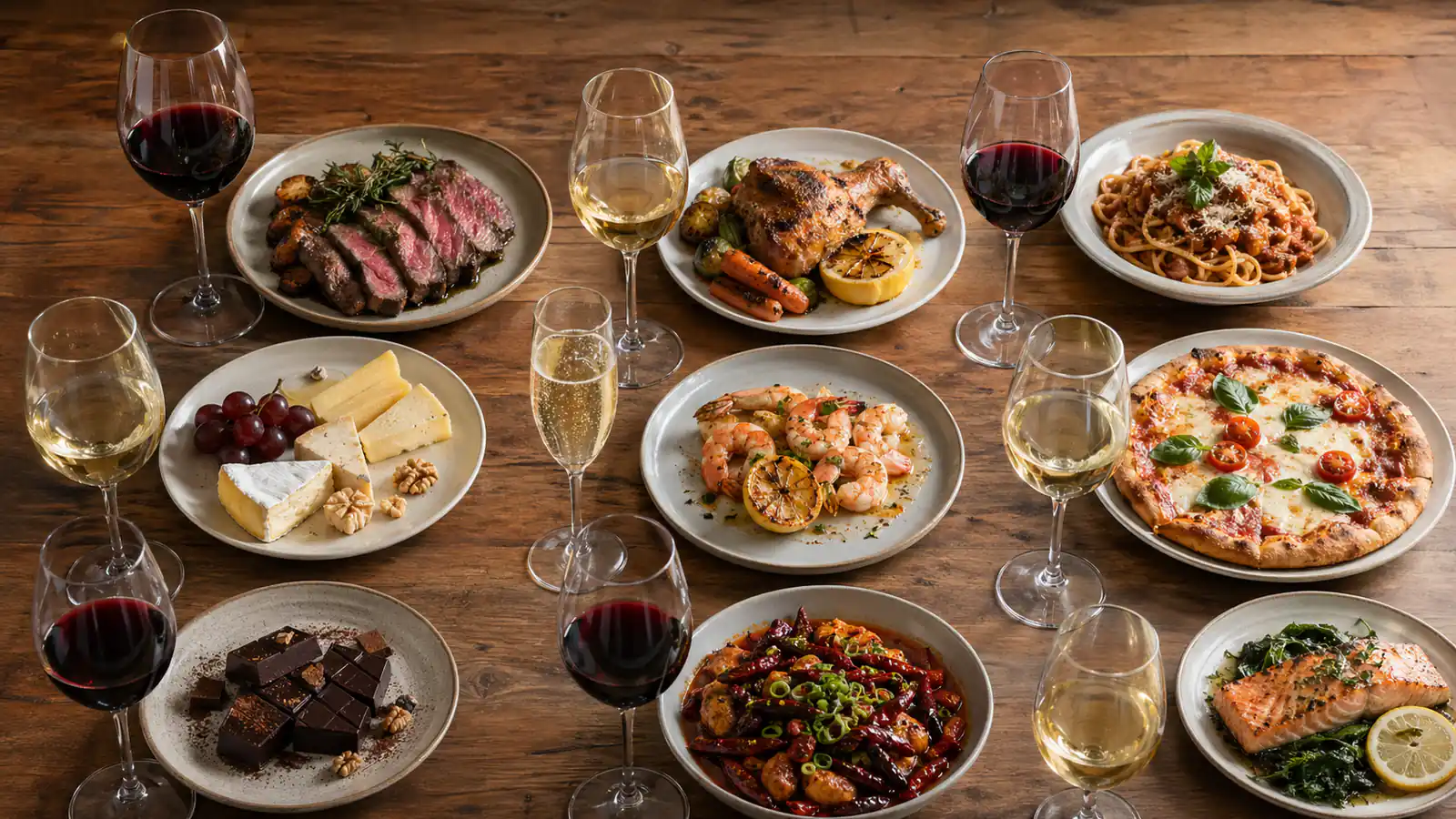
Wine Pairing Chart: What To Pour With Dinner
A practical wine pairing chart for steak, chicken, seafood, pasta, pizza, cheese, chocolate, spicy food, and holiday dinners.
Best Wine for Date Night: 12 Romantic Picks
12 wines for date night across sparkling, white, rosé, red, and dessert. One confident pick for every mood, menu, and budget.