
Claire Bennett
Wine Editor40 min read
Best Wine for Cooking: 15 Bottles That Work in the Pan
The best wines for cooking, organised by use case: braising reds, cream sauces, risotto, seafood, and fortified. All critic-scored and verified.
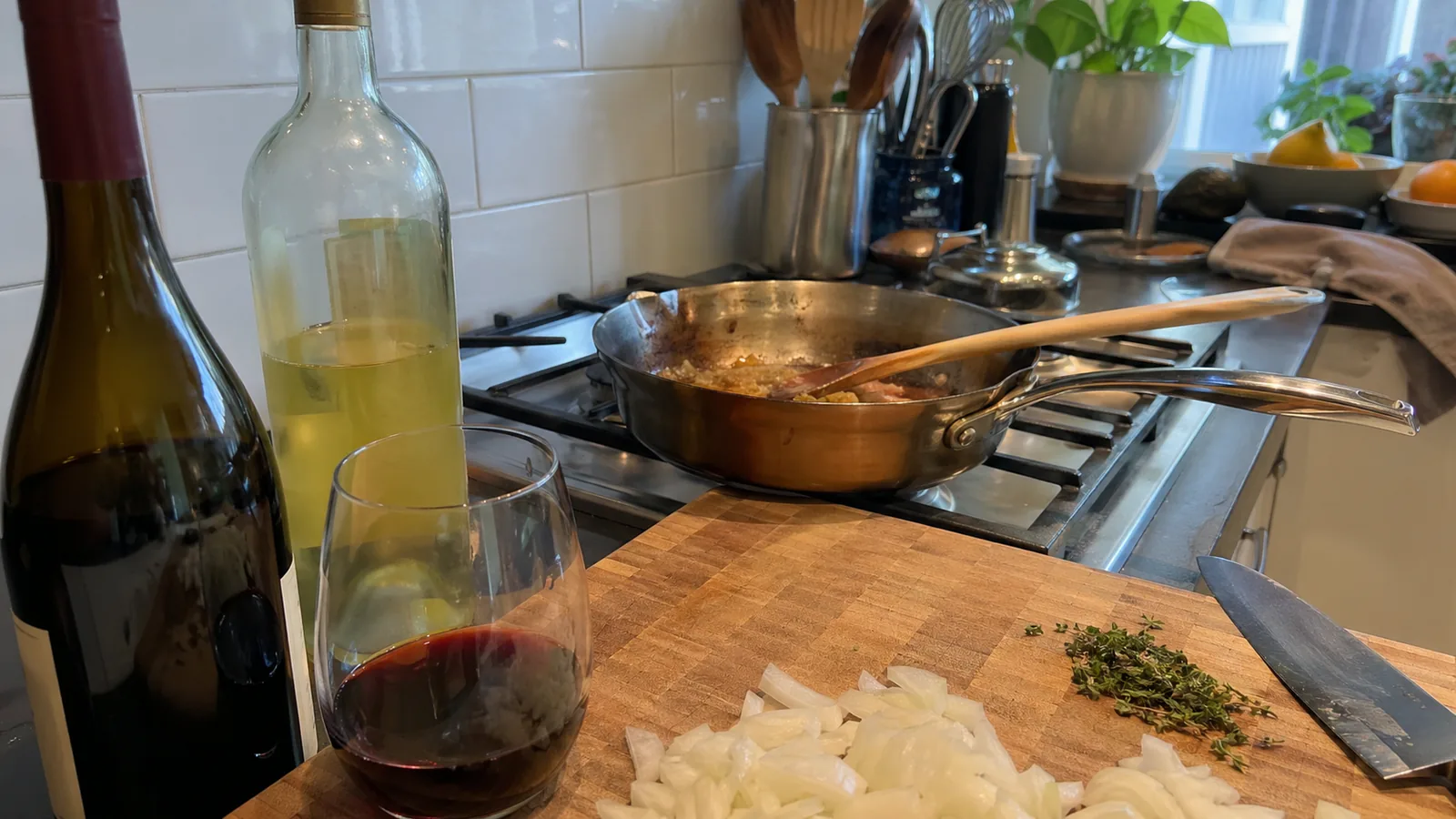
The rule is simpler than any cookbook will admit: cook with wine you’d actually drink. A splash of something decent turns a pan sauce into something worth soaking up with bread. A splash of “cooking wine” from the grocery store adds salt and a vague vinegar note, and you taste both.
The question most people run into is which bottle to reach for. Chicken Marsala needs Marsala, obviously, but what about beef bourguignon? Risotto? A quick white wine sauce for shrimp? The answers are specific, and they vary by what’s in the pan.
This guide covers 15 bottles across every major cooking scenario: dry reds for braising, Sauvignon Blanc and Chardonnay for lighter dishes and cream sauces, Pinot Grigio for Italian recipes and seafood, and two fortified wines (Marsala and dry Amontillado Sherry) for classic recipes that specifically call for them.
Our Top 3 Picks
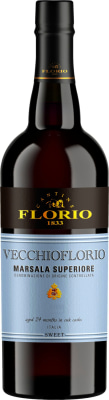
Florio Vecchioflorio Sweet Marsala Superiore 2020
Sicily, Italy · Grillo, Catarratto
90 pts Wine Enthusiast

Diatom Santa Barbara Chardonnay 2024
Santa Barbara, California · Chardonnay
94 pts Jeb Dunnuck

Prices vary by state. Click through for your current price.
Best dry red wines for braising and red sauces
The job of a cooking red is to add body, depth, and a little acidity to braises, stews, and rich pasta sauces without turning the dish sweet or tannic. Pinot Noir and Merlot both work well. They have enough fruit concentration to survive heat without going bitter, and neither is so tannic that you end up with a tough, astringent sauce.
Go with a dry, medium-bodied style. Save the Cabernet Sauvignon for drinking at the table.
A good cooking red also does double duty. Marinate tougher cuts of beef or lamb in a cup of the same wine you’ll use for the braise. The acidity helps tenderize the protein and the flavour carries through into the sauce. This is where a medium-bodied red with good acidity earns its place.
Oberon Merlot 2023
Paso Robles Merlot has a specific character that makes it good for cooking: soft, supple tannins, dense fruit, and none of the tight grip you get from a colder-climate Merlot. James Suckling and Wine Spectator both scored it 91 points. Over 30 customers rate it 4.4 stars, the highest customer rating among all the reds on this list. It holds up well in the pan.
This is the one to reach for when you’re making beef bourguignon, braised short ribs, or a slow-cooked red pasta sauce. The dark fruit concentrates as it cooks down and adds genuine depth. It drinks well on its own too, which matters if you’re only using a cup and you’d like to finish the bottle. Serve the remainder at 14-16 degrees Celsius.
Schug Sonoma Coast Pinot Noir 2023
Sonoma Coast Pinot Noir at this price is genuinely hard to beat, whether you’re drinking it or cooking with it. Walter Schug started farming this stretch of California coast in 1980, back when the fog and the cold were considered liabilities. The bright acidity is exactly what you want in a cooking red: it lifts the whole dish, cuts through fat, and keeps a braise from going heavy and one-dimensional.
It landed on a major retailer’s Top 100 of 2025, and James Suckling and the Tasting Panel both scored it 91 points. On sale from $32 to $19.99, it’s the best-value cooking Pinot Noir in this lineup. Use it in coq au vin, duck confit, or any recipe that calls for a light-bodied red wine.
The 79 customer reviews give you a real-world confidence signal on a bottle at this price. Pour the leftovers at 12-14 degrees Celsius.
Lemelson Thea’s Selection Pinot Noir 2022
Willamette Valley Pinot Noir sits closer to French Burgundy in character than anything California produces. The cool Oregon growing season gives you more earth and structure than the fruit-forward California style.
Decanter scored this one 93 points. Wine Spectator and Vinous both added 91. Three critics, one bottle, on sale from $40 to $29.99.
That earthy, medium-bodied Willamette character is exactly what suits the kitchen. Use it for wild mushroom sauces, duck breast, or any recipe that benefits from a more savoury cooking red rather than a bright, fruity one. The silky tannin structure means it won’t turn bitter as it reduces. Drink the rest at 12-14 degrees Celsius.
Chehalem Estate Grown Chehalem Mountains Pinot Noir 2022
The Chehalem Mountains AVA sits inside Willamette Valley, where volcanic soils and cooler elevations give you Pinot Noir with more structure and grip than the valley floor. Wine Spectator scored it 93 points. James Suckling added 91, Jeb Dunnuck 90.
Three separate critics, same bottle, on sale from $50 to $24.99. You’re getting a fifty-dollar Willamette Pinot for under $25.
That extra structure makes this one well-suited for lighter braises and red-wine pan sauces, where you want something with more presence than the Schug but less weight than a full Merlot. Pork tenderloin with a red wine reduction is a natural home for it. Pour the remainder at 12-14 degrees Celsius.
Migration Sonoma Coast Pinot Noir 2022
If you’re cooking a special-occasion dish and you want a red that’s good enough to pour alongside dinner, this is the one. Duckhorn Migration is a recognised name, and the 2022 Sonoma Coast landed at 94 points from Jeb Dunnuck and 93 from James Suckling. Wilfred Wong added 92. On sale from $46 to $32.97, it’s the premium cooking red in this lineup.
The balanced acidity and medium body suit the pan without dominating it, and the fruit complexity translates well into reductions and braises. Duck with cherry sauce, venison, anything mushroom-forward. This one earns back its price in flavour. Pour the rest at 14-16 degrees Celsius.
Best Sauvignon Blanc for cooking
Sauvignon Blanc is the most versatile white wine in the kitchen. Its high acidity cuts through butter and cream without the weight of Chardonnay, which makes it the natural pick for pan sauces, seafood dishes, steamed mussels, and anything you want to stay light and clean. Marlborough Sauvignon Blanc has sharper acidity and a more citrus-driven profile. California Sauvignon Blanc is rounder and slightly richer, which makes it better suited to cream sauces and risotto.
Astrolabe Marlborough Sauvignon Blanc 2024
Four critics signed off on this bottle. James Suckling scored it 93, Robert Parker 91, Vinous 90, and Wine Spectator 90. At $19.97 with no sale involved, that’s rare value. Marlborough Sauvignon Blanc has one of the highest natural acidities of any white wine style, and that acidity is what makes it work so well in cooking: it cuts through fat, brightens seafood dishes, and lifts a lemon-butter pan sauce into something genuinely sharp and clean.
This is the one to deglaze the pan with after searing shrimp or scallops. Use it for white clam sauce, steamed mussels, or any light seafood preparation where you want the wine to contribute freshness rather than weight. The grapefruit and passionfruit profile holds up in the pan. The crisp white wine character is what separates a good seafood dish from a flat one: that lemon and citrus brightness carries through even after the alcohol cooks off. Drink the rest well-chilled.
Schug Sauvignon Blanc 2023
California Sauvignon Blanc grows warmer and rounder than the New Zealand style. The Schug 2023 from Sonoma Coast has the zesty acidity you need in a cooking white, but with a slightly richer melon and stone fruit character that suits cream sauces better than the sharper Marlborough style. The Tasting Panel scored it 92, James Suckling 90, Wine Enthusiast 90. On sale 33% off from $30 to $19.97.
Use this when the recipe calls for white wine but you want a rounder result: risotto, chicken piccata, pasta with a cream sauce. It holds its structure through cooking better than a very delicate white, and the acidity keeps the sauce from going flat. Pour the rest while you finish cooking.
Best Chardonnay for cooking
Chardonnay is the workhorse white for cooking. It adds body and a little richness to sauces in a way that lighter wines can’t. The rule is to choose an unoaked or lightly oaked style: too much oak in the pan tastes bitter and woody. An oaky Chardonnay concentrates its wood tannins as it reduces and can overpower the dish.
Santa Barbara and unoaked Sonoma Chardonnay work well. Skip the heavily buttered California styles when you’re cooking.
Banshee Sonoma Coast Chardonnay 2022
James Suckling scored this 93 points. Wine and Spirits added 90. It’s the most affordable Chardonnay in this lineup at $17.97, on sale from $28. The Sonoma Coast location keeps the acidity alive even in a full-bodied style, which means it holds its structure when it hits a hot pan instead of going flat and insipid.
Use this for chicken in white wine, beurre blanc, pan-seared fish, or pasta primavera. The fuller body adds real richness to a sauce without turning it one-dimensional. This is the everyday cooking Chardonnay on this list: reliable, well-priced, and good enough to drink the rest of the bottle with dinner. Serve at around 10-12 degrees Celsius.
Neyers Sonoma 304 Chardonnay 2023
Neyers 304 is stainless-steel-fermented and lees-aged, which gives it the freshness of an unoaked Chardonnay with a little more texture from the extended lees contact. Wine Spectator scored it 92, James Suckling 90. It clears the 4.0 customer rating bar at 4.1 stars from 13 buyers. The mid-weight body and clean acid profile make it particularly good in cream-based cooking.
This suits the richer end of white wine cooking: chicken piccata, creamy pasta, carbonara-style sauces, gratin dishes. It’s a step up in richness from the Banshee without going into heavily-oaked territory. The steel fermentation keeps it cooking-friendly. Serve the rest at 10-12 degrees Celsius.
Diatom Santa Barbara Chardonnay 2024
This is the most critic-decorated wine on the entire list. Jeb Dunnuck scored it 94. Wine Spectator and James Suckling both gave it 93. Wine Enthusiast added 92.
Robert Parker contributed 90. Five critics, one bottle, on a major retailer’s Top 100 of 2025. At $24.97, it’s the premium Chardonnay in this lineup and the only one worth buying mostly for cooking rather than splitting with dinner.
Diatom is stainless-steel-only, never oaked. That matters in the kitchen: unoaked Chardonnay retains its fresh acidity through cooking, making it the right choice for beurre blanc, steamed mussels, and pan-seared scallops. Oak (wine) treatment concentrates wood tannins in the pan and can make a sauce taste bitter. Stainless steel avoids this entirely.
The Santa Barbara coastal character gives it a brightness and mouthwatering acidity that lifts everything it touches. The mouthfeel is clean and citrus-driven rather than buttery, and the aroma of wine that transfers into the sauce is fresh and mineral rather than toasty. Serve the rest very cold.
Best Pinot Grigio for cooking
Pinot Grigio is the default Italian dry white for a reason. It’s light, clean, and dry, which makes it natural in recipes that call for a white wine without wanting the sauce to taste noticeably of wine. Use it when cooking risotto, shellfish, or anything Italian where a Chardonnay would be too rich and a Sauvignon Blanc too sharp. The Friuli and Alto Adige styles from northeast Italy are the ones worth buying.
Attems Pinot Grigio 2023
Friuli-Venezia Giulia is the region in northeast Italy that produces the classic Italian Pinot Grigio, the style that Italian recipes are written around. Attems has been farming this region for generations. James Suckling scored this one 90 points.
On sale from $24 to $18.97, it’s the entry-level slot in the Pinot Grigio section. Light, dry, and clean.
Use this for deglazing, risotto bianco, light pasta dishes, or shellfish. It’s the one to keep in the pantry if you cook Italian regularly: versatile enough for almost any white wine recipe, subtle enough that it steps back and lets the other ingredients take over. The Pinot Gris varietal produces delicate flavors rather than bold ones, which is the whole point for Italian cooking: the wine enhances rather than dominates. Drink the rest well-chilled.
St. Michael-Eppan Pinot Grigio 2024
Alto Adige sits further north than Friuli, with higher elevations and cooler temperatures that give Pinot Grigio a slightly fuller body and a more structured feel. St. Michael-Eppan is a cooperative winery with one of the best reputations in the region. James Suckling scored this 93 points, Wilfred Wong 91. The real signal is the customer rating: 4.4 stars from 50 verified buyers, the highest rating of any white wine on this list.
This suits seafood risotto, grilled fish, clam sauce, and chicken in white wine. The extra bit of body compared to the Attems makes it better suited to dishes with a sauce that needs a little more weight. Drink the rest chilled.
Terlan Pinot Grigio 2024
Cantina Terlano is the benchmark name in Alto Adige Pinot Grigio. This one scored 93 from James Suckling, 92 from Wine Enthusiast, 91 from Robert Parker, and 90 from Vinous. Four critics, all above 90. The 40 customer reviews give you a real-world confirmation that the scores translate in the glass.
The higher acidity compared to the other Pinot Grigios on this list makes it the best choice for cream sauces and anything where you need the wine to cut through richness: seafood risotto, pan-seared white fish, clams, cream sauces. Terlaner is the one that holds up longest in the pan. Drink the rest chilled.
Best fortified wines for cooking
Two fortified wines come up repeatedly in classic recipes and both are worth keeping in the kitchen. Marsala is essential for Chicken Marsala, veal scallopini, and mushroom cream sauces. Dry Amontillado Sherry is what professionals reach for when a recipe calls for a savory splash that adds complexity without sweetness. Neither is a substitute for the other.
Florio Vecchioflorio Sweet Marsala Superiore 2020
Florio is the most recognisable Marsala wine brand, and this Vecchioflorio Superiore is the version worth buying for cooking. At $15.97, it’s the most affordable bottle on this list. Wine Enthusiast scored it 90 points. The 4.7 customer rating from 28 buyers is the highest of any wine here, which tells you that the people who are actually using it in Chicken Marsala are happy with it.
Sweet Marsala Superiore has a specific flavour profile: rum-soaked raisins, vanilla, warm caramel, and a fortified richness that comes from oak ageing. When it cooks down with edible mushrooms in a cream sauce or deglazes a pan after searing chicken, it adds a depth of flavour that nothing else replicates.
Marination isn’t typically part of the Marsala method, but a short soak in sweet Marsala with herbs transforms chicken thighs before braising. Keep a bottle in the pantry for any Italian-American recipe that calls for Marsala. One bottle covers many meals.
Lustau Solera Los Arcos Dry Amontillado Sherry
Amontillado is the Sherry style that’s been aged first under flor yeast (like a Fino) and then exposed to oxygen (like an Oloroso). The result is nutty, savoury, and dry, with a specific umami quality that makes it the most useful cooking fortified wine beyond Marsala.
Robert Parker scored it 93. James Suckling gave it 92. Decanter added 91, Wine Spectator 90. At $19.97, this is the most critically acclaimed bottle on the list per dollar spent.
The 186 customer reviews tell the real story: this one gets bought repeatedly and used. Add a splash to French onion soup, bisques, mushroom sauces, and pan sauces for pork. The wine concentrates and caramelizes as it reduces, and the caramelization adds a salty-savoury depth to the savory dish that dry white wine simply can’t match. It’s the kind of oaky, nutty, aperitif-style wine that professional chefs have kept in their kitchens for decades, and for good reason.
Unlike a cooking Sherry from the grocery store, this has no added salt and tastes like something you’d drink before dinner. Keep it in the fridge after opening.
Red Wine or White Wine for Cooking: How to Choose
The rule most professional chefs use: match the wine color to the protein. Red wine suits red meat. White wine suits poultry, fish, and vegetables. That’s not a rigid formula, but it’s the right starting point when you need to use red or white and aren’t sure which to choose.
The cooking process matters too. Deglazing (cooking) uses a small amount of wine to lift the fond from the pan after searing. Poaching (cooking) uses wine in the liquid to add flavour as fish or chicken as food gently simmers in the bath.
Braising uses wine as part of the cooking liquid for hours. Each technique interacts with the wine differently, and choosing the wrong style affects the dish.
White and red wines both contribute to the cooking process, but in different ways. When you cook with red wine in braises and stews, the tannins concentrate as the liquid reduces. The key is to use red wine varieties with soft tannins: Pinot Noir and Merlot are the two most reliable choices across types of cooking.
High-tannin varietals like Cabernet Sauvignon and Syrah can turn a braise bitter in a long-cooked wine reduction sauce. The phenolic content in wine is what does this: tannins and acids in wine concentrate during reduction and amplify any harshness in the original bottle.
White wine in cooking adds acidity and freshness. The style of white you choose a wine from matters for the final dish. A crisp, high-acid style like Sauvignon Blanc suits seafood and pan sauces. A richer Chardonnay suits cream sauces and risotto.
The wine and food pairing logic that applies at the table also applies in the pan: heavier dishes need a wine with enough body to hold up, lighter dishes need a wine that won’t overpower them. Wine tasting descriptors like “crisp”, “oaky”, and “full-bodied” tell you exactly what that wine will bring to a dish.
For any recipe that uses chicken or vegetable stock alongside wine, remember that the stock adds salt and umami while the wine adds acidity and aroma. The wine is perfectly suited to this role: it softens, brightens, and concentrates. A bottle of wine used well in cooking adds more to a dish than the cost of the bottle itself.
Shaoxing Wine, Vermouth, and Other Specialty Cooking Wines
Chinese cooking uses Shaoxing wine (also called Chinese cooking wine or rice wine) rather than Western grape wine. Shaoxing wine is made from fermented rice and aged in clay pots, giving it a flavour profile that’s earthy, slightly sweet, and deeply savoury. It’s the standard ingredient in Chinese cuisine for marinating chicken as food, pork, and beef, adding depth to stir-fries, and reducing into sauces.
If you cook Chinese food at home, Shaoxing wine from China is the ingredient to use. It’s available at most Asian grocery stores across the United States and in restaurants’ supply sections.
Vermouth is another useful kitchen ingredient that most home cooks overlook. Dry white vermouth is a fortified wine with added botanicals, and it keeps in the fridge for several weeks after opening, far longer than an open bottle of still wine. A splash of dry vermouth works as an aperitif-style addition to cream sauces, risotto, and pan sauces when you don’t have an open bottle of white wine on hand. It’s a pantry staple worth having if you cook regularly.
Dry Madeira wine is the best substitute for Marsala in recipes where you can’t source the real thing. It has the same oxidative, fortified character and works in the same recipe applications. If you’re adding a wine as a small splash to add complexity to a sauce rather than building a dish around it, any dry fortified wine from this group (Sherry, Madeira, Vermouth) will perform well.
Find Your Wine Match
Not Sure Which One? Take the 20-Second Quiz
Three quick questions. One matched bottle.
What are you cooking tonight?
What's the occasion?
What style of wine do you prefer?
Let's find the right bottle for you.
Tell us a bit about the occasion and what you're after. We'll match you to one of the bottles on this page.
Photo by Skyler Ewing on PexelsReading your answers…
How We Chose These Wines
Frequently Asked Questions
Can I use any wine for cooking, or does it need to be a special cooking wine?
You can use any drinking wine for cooking. A grocery-store “cooking wine” product is what you should avoid: those products contain added salt and sometimes sugar, which throws off the seasoning of the dish. America’s Test Kitchen and Cook’s Illustrated both recommend using the same wine you’d drink, not a dedicated cooking wine.
Sutter Home Winery makes one of the most common cooking wine products sold in US supermarkets. These products contain salt as an added ingredient. Any cooking wine that does contain salt throws off the seasoning in any dish, and a standard drinking bottle at the same price produces a better result every time.
A bottle of wine used for cooking doesn’t need to be expensive. A dry white in the $15-$25 range is perfectly suited to pan sauces, risotto, and cream-based dishes. The key is that it’s dry, has decent acidity, and tastes like something you’d be happy to drink. Our wine buying guide walks through reading a label fast at that price band.
A glass of juice, vinegar, or stock won’t replicate what wine does in a dish (food). Each ingredient plays a different role. Leftover wine from cooking keeps in the fridge for a few days in a sealed container and works just as well the second time around. If the leftover bottle is red and you’re heading into colder months, the same wine often makes a great base for mulled wine or a pitcher of sangria.
Is Merlot or Cabernet Sauvignon better for cooking?
Merlot is almost always the better choice for cooking applications. Cabernet Sauvignon is high in tannin, and when you cook those tannins down in a braise or a reduction, they can become harsh and tannic in a way that affects the whole dish. Merlot has softer, more supple tannins that hold up well through cooking without turning bitter.
The same applies when choosing between a full-bodied and a medium-bodied red: save the Cabernet for drinking at the table, and reach for a Merlot or a Pinot Noir when the wine goes in the pot. If the recipe specifically calls for Cabernet and you’re using it in a short deglaze rather than a long braise, the risk is lower. But for beef stew, braised short ribs, or anything cooked for hours, a soft-tannin red wine is the right choice.
Is Pinot Grigio or Sauvignon Blanc better for cooking?
Both are excellent dry white wines for cooking and suit different applications. Sauvignon Blanc has higher acidity, which makes it the better choice for seafood dishes, pan sauces, steamed mussels, and anything where you want a crisp, clean white wine flavour that cuts through butter and fat.
Pinot Grigio is lighter and more neutral, which makes it better for delicate flavors where you don’t want the wine to dominate: risotto bianco, light pasta dishes, shellfish preparations that are already seasoned with lemon and herbs. The California Sauvignon Blanc style (rounder and richer) suits cream sauces and risotto better than the sharper Marlborough style, so the best choice depends on which style you’re cooking in and what the sauce needs.
What wine should I use for beef stew and braises?
A dry, medium-bodied red wine with moderate tannins and good acidity. Pinot Noir and Merlot are the two most reliable choices. They have enough fruit concentration to survive long cooking without going flat, and neither is so tannic that the sauce turns bitter during a two-hour braise.
For a classic French-style beef stew, a Burgundy-style Pinot Noir (or an Oregon Pinot as a budget alternative) is the traditional choice. For a heavier braise like short ribs or braised lamb, Merlot has the body to match. Using the same wine to marinate the meat beforehand also helps: the acidity tenderizes the protein and the tenderizing process continues during cooking as the wine penetrates the fibres. The flavour carries into the sauce as the liquid reduces to create a rich, glossy finish.
Skip high-tannin reds like Cabernet Sauvignon and Syrah for long-cooked dishes. The wine reduction sauce concentrates everything, including tannins, and a too-tannic wine cooked low and slow will taste astringent long before the meat is tender.
What wine is best for cooking pasta sauce?
For tomato sauce and ragù, use a dry Italian red or a medium-bodied red that complements the acidity of the tomatoes. A small amount of red wine added early while the tomatoes are cooking down creates a richer, more layered sauce. Sangiovese-based reds work well because the acidity matches the tomato. For a white-wine pasta sauce, use a dry Pinot Grigio or Sauvignon Blanc: the lighter body keeps the sauce clean rather than heavy.
For linguine with clams or mussels, a crisp dry white is correct: it brightens the brine and the lemon, rather than covering them. Italy produces the white wine and the pasta traditions at the same time, and matching regional wines to regional dishes usually produces the best result. The rule is: red wine for tomato-based sauces, white wine for cream and seafood sauces. Using red and white interchangeably doesn’t produce bad food, but using the right varietal improves the dish noticeably.
What is the best wine for cooking risotto?
A dry white wine with decent acidity. Pinot Grigio is the Italian classic and the traditional choice for risotto. Sauvignon Blanc works well too, particularly a California-style one with slightly more body than the Marlborough style.
Dry unoaked Chardonnay is another option, particularly for richer risotto dishes like mushroom risotto or seafood risotto. The important thing is that the wine is dry: a slightly sweet white wine will make the risotto sweet in a way that doesn’t suit the dish.
The wine goes in early when the rice is toasting in the pan. It reduces completely before the chicken or vegetable stock is added, so it needs to evaporate cleanly and leave only its subtle nuances behind: acidity, aroma, and a dry finish. A crisp, dry white wine like Chardonnay or Pinot Grigio suits this process and produces a better tasting result than a cheap generic white. The style of white you choose influences the final dish more than you’d expect.
What wine is best for Chicken Marsala?
Marsala, specifically. The dish is named after the wine and it’s the only one that produces the right flavour. Sweet Marsala Superiore is the standard cooking version: the sweetness balances the savoury mushroom and chicken flavours, and the oxidative oak-aged character adds a depth that dry wine can’t replicate.
The Florio Vecchioflorio on this list is the most bought and highest-rated Marsala wine at this price, and the $15.97 price point means one bottle covers several meals. The sauce gets its characteristic flavour from the combination of dry Marsala reduction, edible mushrooms, and the fond from the seared chicken. That’s the foundation of every classic recipe.
If you can’t find Marsala, dry Madeira wine is the closest functional substitute: it has the same oxidative, fortified character and works in the same recipe applications. Dry Sherry (Amontillado) is another substitute, though it produces a drier, less sweet result than the original. Some wine tasting descriptors used for Marsala (nutty, caramel, dried fruit, vanilla) also apply to Madeira, which is why the substitution works.
For a dessert application, sweet Marsala Superiore also works in tiramisu and sabayon. For Chicken Marsala specifically, try to use the real thing.
What wine is best for GERD or acid reflux?
The acids in wine are what trigger reflux for most people. All wine contains natural acidity from grapes, but the levels vary significantly by style. A sweet wine like a German Riesling Spätlese or a Moscato d’Asti has high residual sugar that buffers the acidity, which some people find more tolerable. The sweetness of wine effectively masks the sharpness of the acids.
Dry low-acid varieties are the other option: Viognier, Grenache, and Merlot tend to have lower acidity than Pinot Noir or Sauvignon Blanc. A higher ABV also concentrates the alcohol more than the acid, so a lower-alcohol wine like a Riesling at 8-9% ABV may be less irritating than a full-strength Chardonnay at 14%. For cooking purposes, the acidity in wine mostly cooks off, so GERD concerns apply mainly to the wine you drink with the meal rather than the wine you cook with. Consult a doctor if GERD is a medical concern. This is cooking guidance, not medical advice.
Keep Reading
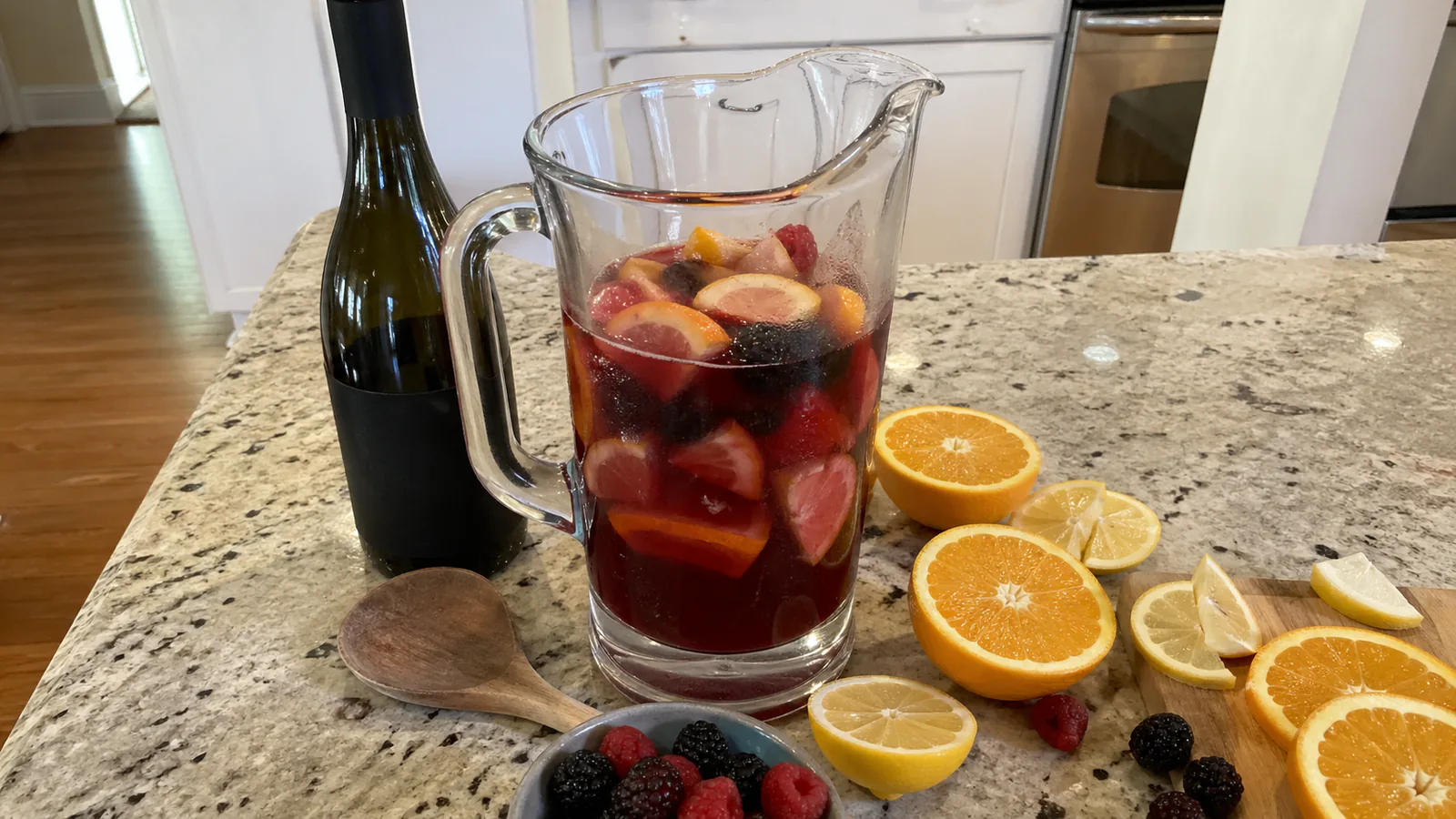
Best Wine for Sangria: 12 Bottles That Actually Work
12 wines that make genuinely good sangria: reds, whites, and rosé. Grape variety matters more than price. Here's exactly what to buy and why.
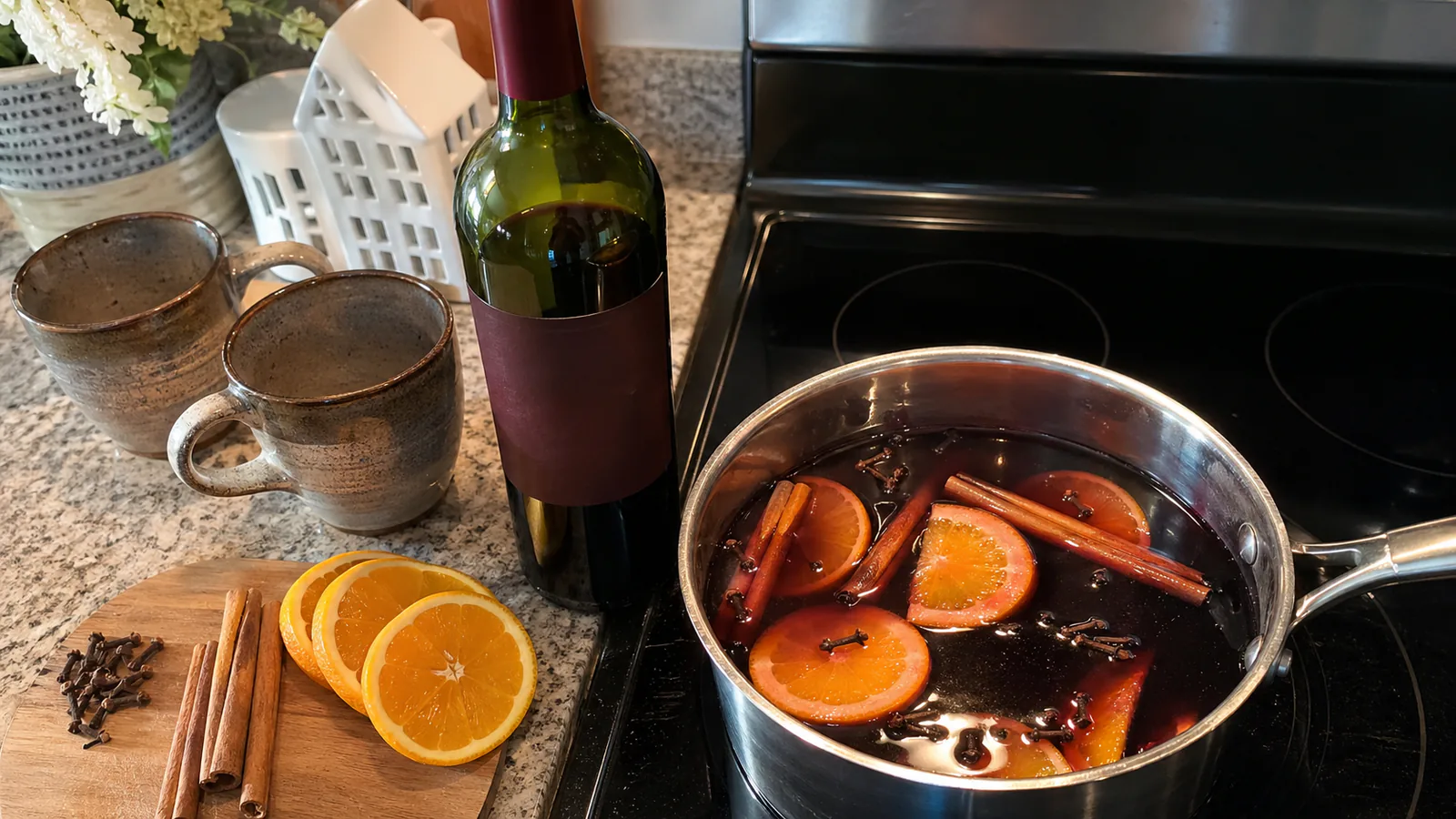
Best Wine for Mulled Wine: 8 Bottles That Deliver
Fruit-forward, affordable, and full of red fruit. These 8 wines are the best picks for mulled wine that actually tastes good.
Wine Buying Guide: How to Pick a Bottle You'll Like
A practical framework for choosing wine you'll enjoy every time. No sommelier required.