Claire Bennett
Wine Editor24 min read
Best Buttery Chardonnay: 8 Bottles Worth Every Sip
Eight buttery Chardonnays that deliver creaminess, oak, and tropical richness. From under $15 to the premium tier, all California, all worth it.
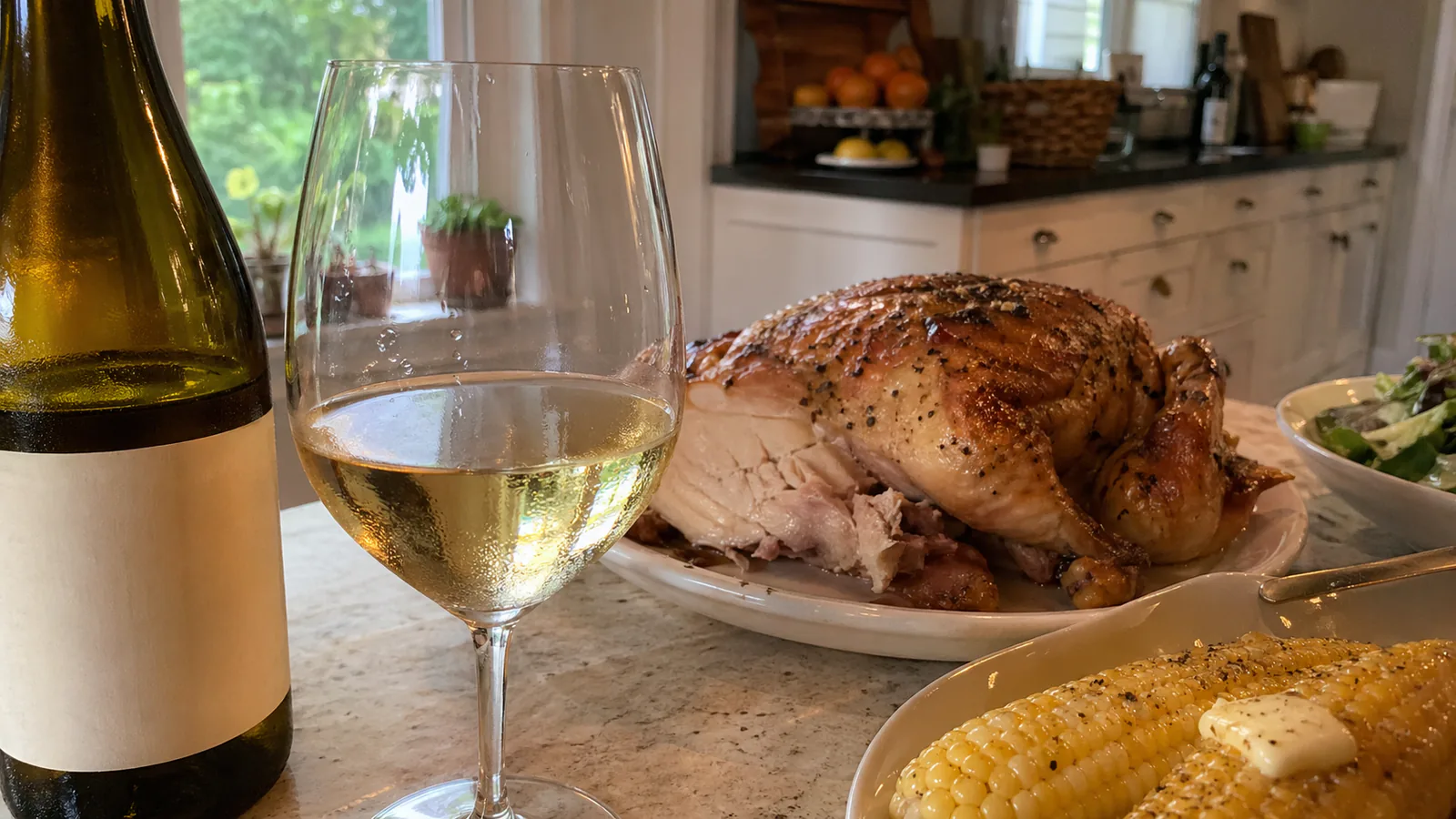
You know this style: the golden colour, the tropical fruit on the nose, and that creamy, coating richness that settles in on the palate and stays there. Buttery Chardonnay has plenty of detractors, but its fans know exactly what they’re after. And once you find a producer who does it well, you tend to keep going back.
The trouble is the category is crowded with bottles that promise butter and deliver oak extract, alcohol heat, and hollow sweetness. Getting this style right takes actual malolactic fermentation, proper barrel ageing, and California growing conditions that ripen the grape without tipping it into flabbiness. The wines below do all three.
Eight picks from under $15 to the premium tier. All California. All genuinely creamy. Every one of them is a bottle you’ll want to reorder.
Our Top 3 Picks

Rombauer Chardonnay 2024
Carneros, California · Chardonnay


Cambria Katherine's Vineyard Chardonnay 2023
Santa Maria Valley, California · Chardonnay
92 pts Wine Enthusiast
Prices vary by state. Click through for your current price.
1. Rombauer Chardonnay 2024
Ask anyone who takes buttery Chardonnay seriously which bottle they’d reach for first. Rombauer comes up every time. The Carneros estate sits at the cooler southern tip of Napa, where morning fog keeps the grapes from ripening too fast. That slower ripening is what separates a Chardonnay that’s rich and complex from one that just tastes overripe and heavy.
The 2024 comes in at 14.6% ABV, which tells you about the fruit concentration before you’ve even poured. The aroma opens with yellow peach, ripe melon, and tropical flavors, fruity and forward from the start. On the palate, creamy vanilla, butterscotch richness, and a long lingering finish that earns the name. Rombauer’s extended barrel programme integrates the oak so completely you won’t catch a sharp woody edge. What you get is warmth and texture, full-body richness without losing the fruit underneath. It landed on the retailer’s Top 100 of 2025, and the 3.8-star customer rating from verified buyers reflects consistent quality vintage to vintage.
Pull it from the fridge 20 minutes before you pour. Open it at the table with lobster bisque, pasta in a cream sauce, or roast chicken thighs. If there’s a bottle that converts someone who thinks they don’t like Chardonnay, this is the one.
2. Kendall-Jackson Vintner’s Reserve Chardonnay 2024
Kendall-Jackson introduced most of America to this style, and the Vintner’s Reserve has been the best-selling Chardonnay in the US for years. The staying power has nothing to do with marketing. The wine reliably delivers what buyers come back for: tropical fruit, vanilla, a soft creamy texture, and nothing that gets in the way of drinking it.
The 2024 leads with flavors of tropical fruits: pineapple, mango, and papaya. Vanilla and honey carry through the mid-palate. At 13.5% ABV, it’s lighter on its feet than the bigger Carneros and Napa bottles. The fruit flavors are clean and consistent, the oak is measured, and you’re not fighting through tannin or woodiness to get to it. Easy-drinking with a soft finish that doesn’t overstay its welcome. Under $15 in most states, it’s the bottle to stock by the half-dozen and open without ceremony on a weeknight. The 3.7-star rating across a large pool of verified buyers makes it one of the most consistent white wines on the market.
Pair with pasta Alfredo, grilled halibut, a simple cheese board, or honestly, just on its own while dinner finishes cooking.
3. La Crema Sonoma Coast Chardonnay 2023
The Sonoma Coast is cooler than most California wine country, with the Pacific influence keeping summer temperatures in check. La Crema leans into that. Where Rombauer runs warm and full, La Crema keeps a thread of fresh acidity running through the whole wine, which makes it far more versatile at the table.
The aromas of lemon and orange blossom open things up, with golden peach and pineapple on the palate. Graham cracker and light oak from the barrel ageing give it structure without weight. The crisp acidity is the signature of Sonoma County Chardonnay: bright and lively in a way the heavier Napa picks simply aren’t. Wine Spectator scored it 89 points. The 3.8-star customer rating lines up with that: a reliable, solid white that over-delivers for the price. At 13.5% ABV, a second glass at dinner doesn’t flatten the rest of the meal.
If you’re pairing with seafood, anything citrus-forward, or a dish where you need the wine to cut through richness rather than pile on more, this one earns its spot. Caesar salad, salmon in cream sauce, butter-poached crab.
4. Cambria Katherine’s Vineyard Chardonnay 2023
Katherine’s Vineyard sits in Santa Maria Valley, one of the coolest Chardonnay appellations in California. Santa Maria Valley is part of Santa Barbara County, in the broader Central Coast wine region, a stretch of California coastline where cold Pacific fog rolls in most mornings and keeps ripeness in viticulture slow and measured. The critics took notice. Vinous and Wine Enthusiast both scored the 2023 at 92 points. Jeb Dunnuck and Wine Spectator gave it 90. Four respected critics, four solid scores, priced among the most affordable bottles here. That combination doesn’t come around often.
The flavor profile lands between the full-throttle richness of Rombauer and the leaner Sonoma Coast approach. The aromas and flavors track together: white peach, lemon zest, ripe pear, and citrus blossoms leading into a fruity, slightly spiced mid-palate with spice notes of nutmeg and baking spice. Oak adds structure through the mid-palate without tipping into butter overload. ABV sits at 13.8%, balanced and food-friendly. Customer rating is 3.9 from verified buyers, the highest on the list.
For a dinner party with mixed preferences around the table, this is a smart pour. Butter-seekers will be satisfied. Burgundy drinkers won’t feel like they’ve stepped down. Scallops, roast chicken, or roasted cauliflower with brown butter.
5. Sonoma-Cutrer The Cutrer Chardonnay 2023
Sonoma-Cutrer has been making serious Chardonnay in Russian River Valley for decades, and The Cutrer is their flagship. Sonoma County has been producing some of California’s finest Chardonnay for just as long, and this winery is near the top of that list. The price reflects it. So does what’s in the glass.
The Cutrer comes from Russian River Valley AVA, where cool morning fog slows ripening and locks in the acidity. The winemaking process here involves extended time aged in oak barrels. Toasted oak and caramelized nut aromas are present from the first pour. Caramel, pie crust, ripe pear, and praline follow on the palate. Rich, layered, unhurried. ABV holds at 13.8%, keeping the alcohol in check so the fruit has room to breathe. Open it when you’ve got somewhere to sit and a decent chunk of time. This is a wine you drink slowly.
Lobster, crab, a proper pork tenderloin, or a truffle risotto. Also exceptional on its own, no food required.
6. Jordan Chardonnay 2023
Jordan is one of those Sonoma producers that wine people tend to trust. The Russian River Valley Chardonnay is lower-alcohol than most California whites at 12.7% ABV, which is unusual for this appellation, and it shows in how the wine drinks. James Suckling scored the 2023 at 93 points. The customer rating sits at 4.4 stars, the highest of any wine on this list by popular vote.
The style is more restrained than the Carneros picks. White peach and stone fruit, delicate floral blossom on the nose, then lemon curd, lime, orange peel, and crisp Bosc pear on the palate. Notes of vanilla and subtle oak fill the mid-palate without dominating. The mouthfeel is polished and medium-bodied. Smooth enough that two glasses in, you’re still tasting the fruit rather than feeling the alcohol. That restraint is exactly what makes it the bottle to open when dinner is the main event.
Seafood pasta, chicken piccata, halibut with lemon-butter sauce.
7. Stags’ Leap Winery Napa Valley Chardonnay 2024
Stags’ Leap is one of Napa’s historic estates, and James Suckling scored this 2024 Chardonnay 94 points, which is the highest critic score on the list. Napa chardonnays at this tier have a distinct profile: riper and richer than the Sonoma picks, with butterscotch, marmalade, and warm peach and nectarine rather than crisp apple. Toasty oak and a rich texture carry through to the lingering finish.
The Napa Valley AVA produces a full-body white wine style with genuine concentration at 14.1% ABV. What you get in the glass is a rich wine, generous and full. The kind of white wine that earns compliments at the table without needing an explanation. If you’re bringing a bottle to someone who knows wine, this is a safe, confident choice that will actually impress rather than just arrive.
Roasted lobster, butter-poached fish, cream sauce pasta.
8. Frank Family Vineyards Chardonnay 2024
Frank Family is a Los Carneros AVA producer that tends to fly under the radar next to Rombauer, which is genuinely a shame. The 2024 Chardonnay earned 92 points from James Suckling, and at 14.4% ABV it has the same kind of concentration and warmth you’d expect from Carneros fruit.
Zesty lemon and guava on the nose, then notes of vanilla bean, caramel-covered apple, nutmeg, and crème brûlée on the palate. The butterscotch and vanilla richness through the mid-palate produces notes of buttercream that build as you drink. Both this and Rombauer come from Carneros and run through full malolactic fermentation. The style is similar enough that if one is sold out in your state, the other is a natural swap. The difference is the Frank Family tends to run a few dollars less, and the lemon-guava profile gives it a slightly brighter entry.
Scallops in brown butter, fatty fish like sablefish or salmon, or a cheesy gratin.
Find Your Wine Match
Not Sure Which One? Take the 20-Second Quiz
Three quick questions. One matched bottle.
What are you pairing it with?
What's the occasion?
Which style are you after?
Let's find the right bottle for you.
Tell us a bit about the occasion and what you're after. We'll match you to one of the bottles on this page.
Photo by Skyler Ewing on PexelsReading your answers…
How We Chose These Wines
Frequently Asked Questions
What makes a Chardonnay taste buttery?
The buttery flavour and texture in Chardonnay comes from malolactic fermentation. During this process, the naturally sharp malic acid in the grapes (the same acid that makes green apples tart) converts to softer lactic acid, the kind found in dairy. A byproduct of that conversion is a compound called diacetyl, which smells and tastes like butter. Winemakers also age in French or American oak barrels, which adds vanilla, caramel, and toasty notes that deepen the richness. Put together, you get the full California Chardonnay experience: fruit, cream, oak, warmth.
Why is most buttery Chardonnay from California?
Warm, sunny growing conditions ripen Chardonnay grapes fully before harvest, producing the high natural sugar that becomes full-bodied wine with higher ABV and richer texture. Ripeness in viticulture is a key factor: California winemakers can reliably achieve the level of grape maturity the buttery style requires, which isn’t guaranteed in cooler climates. California winemakers have also historically embraced malolactic fermentation and oak ageing more than their French counterparts. Burgundy wine is typically made in a leaner, more mineral style with little to no MLF. Chablis uses no oak at all. California is the home of the style because it was built here intentionally, and the climate supports it.
How do I serve buttery Chardonnay?
Warmer than a crisp white wine. The target is around 50-55°F, not the 35-38°F of a cold fridge. Pull the bottle out 20 minutes before you plan to pour. At refrigerator temperature, the creamy mid-palate and long finish that define buttery Chardonnay are almost completely muted. The wine you get after a bit of warmth is a noticeably better experience than the one you get poured straight from the cold. The acids in wine, particularly in the leaner Sonoma Coast styles, become more expressive at the right temperature too.
Does buttery Chardonnay pair well with food?
Extremely well, with the right dishes. The creaminess mirrors cream sauces in pasta and risotto, the body stands up to roast chicken and rich fish like salmon and sablefish, and the acidity (even in the fuller styles) lifts dishes rather than competing with them. Lobster bisque, butter-poached crab, pasta Alfredo, and roasted chicken thighs are the natural pairings. The pairing logic is straightforward: match the richness of the wine to the richness of the dish. Lighter dishes like raw oysters or delicate white fish suit the leaner Sonoma Coast style better than the full Carneros picks.
What is the creamiest Chardonnay?
Rombauer is the answer most wine lovers and sommeliers give without hesitation. The mouthfeel is thicker and more coating than almost any other buttery chardonnay on the market. Notes of buttercream build as the wine warms in the glass. Full malolactic fermentation converts essentially all the malic acid to lactic, which is why the buttery style is so pronounced. The butterscotch and vanilla character comes from extended time in oak, and the finish is considerably creamier than mid-range California Chardonnays. Frank Family Vineyards from Los Carneros is the closest rival at a slightly lower price point, with the same Carneros terroir and a similar winemaking approach.
How do I pick a buttery Chardonnay?
The winemaking details are the tell. Look for “malolactic fermentation” or “MLF” on the back label. That’s the process that creates the buttery flavour. An oaked chardonnay aged in oak barrels will have vanilla bean, toasty oak, and butterscotch notes. An unoaked chardonnay (like Chablis or stainless-fermented California bottles) will be crisp, mineral, and citrus-forward with none of the butter. If that leaner profile sounds more your speed, our roundup of the best crisp white wines has the alternatives. The Chardonnay varietal itself is neutral. It takes on the character the winemaking process gives it, which is why fermentation in winemaking matters so much for this style. California chardonnays from warm appellations like Carneros, Napa Valley, and the Russian River dominate the buttery style category. Wine regions with cool Pacific influence (Sonoma Coast, Central Coast) produce chardonnays that are creamier than Burgundy but fresher than Napa, a middle ground that’s the best chardonnay option for people who want a butter chardonnay without the full weight of a Carneros pick.
Is buttery Chardonnay always high in alcohol?
Not necessarily. California chardonnays in the buttery style typically run between 13.5% and 14.6% ABV, which is on the higher side for white wine. But Jordan comes in at 12.7%, medium-bodied, easy-drinking, with subtle oak and a soft finish that makes it a full buttery style chardonnay without the weight of the Carneros bottles. The fuller Napa Valley picks like Stags’ Leap sit at 14.1% with rich texture and full body. Both are genuinely buttery chardonnays. The alcohol level mainly determines how long the lingering finish carries and how much the wine coats the palate through the mid-palate.
Keep Reading
Chardonnay: Taste, Best Regions, Food Pairings
What Chardonnay tastes like, why Chablis and California versions feel like different wines, the best food pairings, and how much to spend.
Best Crisp White Wines: 8 Bottles That Actually Deliver
Eight crisp white wines that cut through food and taste better cold. Sauvignon Blanc to Chablis to Vermentino, all dry, all high-acid, all under $35.
Napa Valley Wine: Cabernet, AVAs, and What to Spend
What Napa Valley wine actually is, why its Cabernet rules the world, the AVAs worth knowing, and where the value hides. Plain English, no fluff.