
Claire Bennett
Wine Editor11 min read
Best Wine Stopper: 5 That Actually Keep Wine Fresh
The right wine bottle stoppers keep a leftover bottle tasting good the next day. Five best wine stoppers, ranked by type and what they actually do.
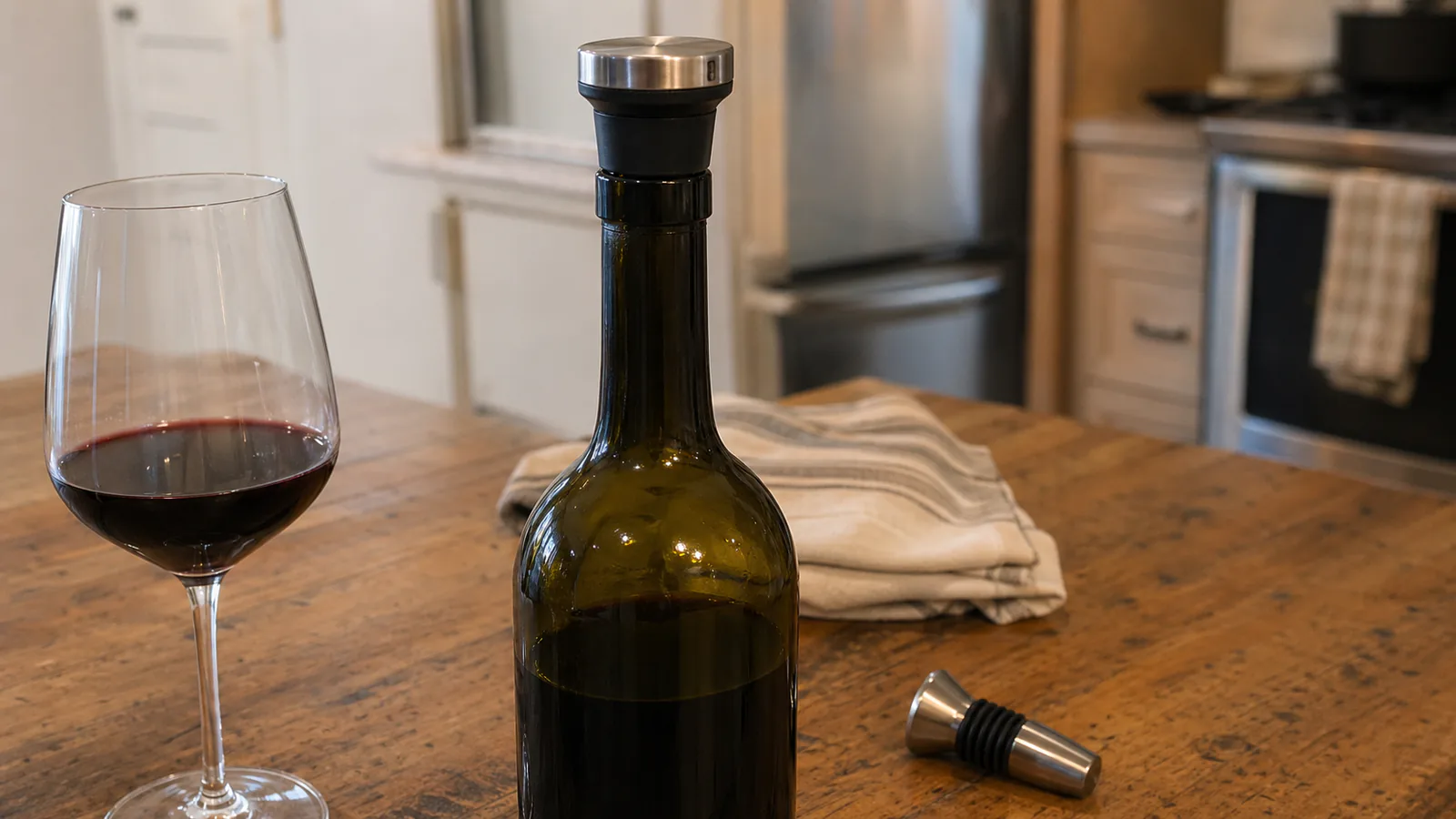
Most people shove the original cork back in sideways and call it done. By tomorrow the wine is flat.
A vacuum pump removes the air and keeps still wine drinkable for two to five days. A champagne stopper locks in the carbonation for sparkling wine. A basic expanding stopper handles anything you’re finishing tonight.
Five worth buying. Here they are.
Best Overall: Vacu Vin Original Wine Saver
The Vacu Vin wine saver has been the standard answer to leftover wine for decades, and 30,000 Amazon reviews at 4.7 stars suggest it hasn’t lost the argument. The system is a hand pump and rubber stopper: you press the stopper into the bottle neck, pump until you feel resistance, and it removes air from the bottle.
It comes with four stoppers and creates an airtight seal on each bottle, which means you can have four open bottles on the go at once. The natural rubber stoppers are dishwasher safe and last for years. The pump is small enough to keep in a kitchen drawer.
It won’t preserve wine indefinitely, but two to five days is enough to preserve the freshness and flavor of any bottle. For most households, that’s all you need.
Best for Sparkling Wine: KLOVEO Champagne Stopper
Still wine and sparkling wine are different problems. Still wine loses flavour to oxidation. Sparkling wine loses its bubbles to pressure loss. A vacuum pump makes that worse.
What you need instead is the KLOVEO: a stopper with a lever-valve locking seal designed to seal the wine against pressure loss and hold carbonation in.
The KLOVEO is made in Italy with a patented WAF hermetic seal and rated for Champagne, Prosecco, Cava, and any standard 750ml sparkling bottle. It earns 4.8 stars from over 10,000 reviews, which is the highest rating in this lineup. Press it on, flip the levers down, done.
Bubbles stay lively overnight and often through a second day. For anyone who regularly opens Champagne or Prosecco and doesn’t finish the bottle, this is the single most useful purchase you can make.
Best Simple Stopper: OXO SteeL Expanding Wine Stopper
Not every open bottle needs a vacuum pump. If you’re finishing the wine tonight or tomorrow morning, you just need a clean seal. The OXO SteeL is an easy-to-use silicone expanding stopper that pushes into the bottle neck and expands to grip it. Airtight, leakproof, done in two seconds.
It comes as a 2-pack, fits any standard wine bottles, and the stainless steel cap looks clean on a kitchen bench or in the fridge. The expanding mechanism means it works even when the neck isn’t perfectly uniform.
Five thousand reviews at 4.7 stars. If you want the simplest, most reliable stopper for everyday use and you’re not trying to preserve wine for days, this is the one to keep in the drawer.
Best Stainless Steel: Cuisinart Champagne Stopper
The Cuisinart champagne stopper is the brand-name option for keeping sparkling wine fresh. It’s fully stainless steel, hinged, and clamps onto the bottle neck with a lever switch-style valve. The 6-inch design fits standard champagne and sparkling wine bottles and keeps bubbles alive overnight.
Nearly 3,000 reviews at 4.7 stars. The Cuisinart name carries weight in the kitchen, and this stopper has the build quality to match: heavier and more solid-feeling than most plastic champagne stoppers.
If you already have Cuisinart gear in your kitchen and want a sparkling wine stopper that looks and feels like it belongs, this is the one.
Best Budget Vacuum Pump: WOTOR Wine Saver
The WOTOR is for anyone who wants a wine preservation system without paying the Vacu Vin price. It comes with a pump and four stoppers, rated 4.7 stars from nearly 2,000 reviews. The flat-handle pump design is slightly more ergonomic than the classic Vacu Vin grip.
The mechanism works the same way: stopper into the bottle neck, pump until resistance, oxygen removed. The silicone stoppers are reusable and the whole kit ships in packaging that looks reasonable as a gift.
The WOTOR is the perfect solution if cost is the deciding factor and you want a vacuum wine system over a simple stopper.
Which Type of Wine Stopper Do You Need?
There are three different jobs here, and the right stopper depends on which one you’re solving.
Vacuum pump systems (Vacu Vin, WOTOR) are for still wines you want to preserve for two to five days. They remove excess air and seal the bottle, which slows oxidation so the wine stays drinkable for longer. The Vacu Vin is the most trusted option; the WOTOR is the best value pick at a lower price. They don’t work on sparkling wine and will actually accelerate bubble loss if you try.
Champagne stoppers (KLOVEO, Cuisinart) are for sparkling wine. They clamp onto the bottle and hold the pressure in, keeping bubbles alive overnight and often through a second day. They do nothing for still wine preservation.
Expanding stoppers (OXO) are for anything you’re finishing soon. They seal the bottle tightly and prevent spills, but they don’t create an airtight wine seal or remove oxygen. Use them for the bottle you’re coming back to in a few hours, and look for a vacuum system if you need to extend the life of the wine past the same evening. Pair any of these stoppers with a reliable wine opener and you’ve got the full open-and-preserve workflow covered.
Frequently Asked Questions
How long does a wine stopper keep wine fresh?
A vacuum pump stopper like the Vacu Vin or WOTOR preserves still wine for two to five days in the fridge with noticeably better results than no stopper at all. Most wine stoppers fit standard cork-finished bottles, not screw cap bottles. A simple expanding stopper like the OXO is best for same-day or next-day use. Champagne stoppers keep bubbles alive overnight and sometimes through a second day.
Do wine stoppers work on champagne?
Vacuum pump stoppers don’t work on champagne and actually make it go flat faster by removing the carbonation pressure. For sparkling wine, you need a purpose-built champagne stopper like the KLOVEO or Cuisinart that clamps onto the bottle and holds the pressure in.
Is it better to use a wine stopper or re-cork the bottle?
A wine stopper is better than the natural cork in almost every case. Wine corks are designed to seal under pressure before opening, and once extracted, they’re irregular and don’t reseal cleanly. The smell and taste of the wine deteriorate faster when you reopen a bottle sealed with just the original wine cork.
A vacuum stopper removes oxygen and seals tightly. An expanding stopper at least creates a uniform leakproof seal. Either beats trying to push the cork back in after using the corkscrew to open it.
Can you store wine upright with a stopper?
Yes. Once a bottle is open and stoppered, storing it upright in the refrigerator is fine and actually preferable. For the short-term storage of wine, upright and cold is better than on its side.
The cork-on-its-side rule only applies to sealed bottles where keeping the cork moist prevents drying and air leakage. A good stopper handles the seal regardless of orientation.
How do you know when the vacuum pump has worked?
With the Vacu Vin and similar pumps, you feel increasing resistance as you pump. When the pump clicks or becomes very difficult to press, the vacuum is set. Some people do an extra pump or two for good measure. If the stopper pulls out easily when you tug it without pressing the release, the vacuum is still holding.
Do wine stoppers actually work?
Vacuum wine stoppers genuinely extend the life of an open bottle. They create an airtight seal, remove excess air, and slow the redox reactions that cause oxidation, keeping the wine fresh for days and preserving its flavor. The wine tasted noticeably fresher on day two with a vacuum stopper in place than without one. Refrigerate the bottle with the stopper in it for best results.
What is a wine stopper called?
A wine stopper is also sold as a wine saver, bottle stopper, or wine preserver. Vacuum versions are often marketed as wine preservation systems or vacuum wine sealer kits. Silicone wine stoppers and champagne stoppers are the most common types. Brands like Vacu Vin, Le Creuset, and Coravin all produce wine accessories in this category, sometimes under different names.
Which wine stopper is best?
The best wine stoppers depend on what you’re preserving. For still wine, the Vacu Vin Original Wine Saver is the top pick: 30,000 reviews and a proven vacuum pump system. For sparkling wine, the KLOVEO earns the highest rating in this lineup at 4.8 stars. For a simple everyday seal, the OXO SteeL expanding stopper is the most reliable choice.
What are wine stoppers for?
Wine stoppers are for keeping your wine fresh between servings. Once you open a bottle of wine, oxygen starts breaking down the flavor and aroma of wine within hours, causing spoilage. A wine stopper limits that oxidation, helping you taste the wine as it was when freshly opened. They extend the life of every bottle, reduce waste, and are the most practical wine accessory and food preservation tool for wine enthusiasts who regularly open bottles.
Is a wine stopper different from a Coravin?
Yes. A Coravin is a wine preservation system that keeps the sealed wine intact by accessing it through the wine cork with a thin needle, without removing it. It replaces what’s poured with inert gas, preventing oxidation entirely rather than slowing it.
Coravin devices cost significantly more and suit collectors who plan to access the same bottle over months. If you regularly access bottles over weeks rather than days, look at our best wine preservation system guide for the full Coravin breakdown. A wine stopper is the right tool for any freshly opened bottle of wine you plan to finish within a few days.
How do I use a vacuum wine stopper?
Press the bottle stopper firmly into the neck of any standard wine bottle, seated without tilting. Use the hand pump to remove air and create a vacuum seal. A bottle with a stopper seated correctly should feel firm and airtight. Leave the stopper in the bottle when you refrigerate it, and re-pump before you repour if the seal feels loose.
Keep Reading
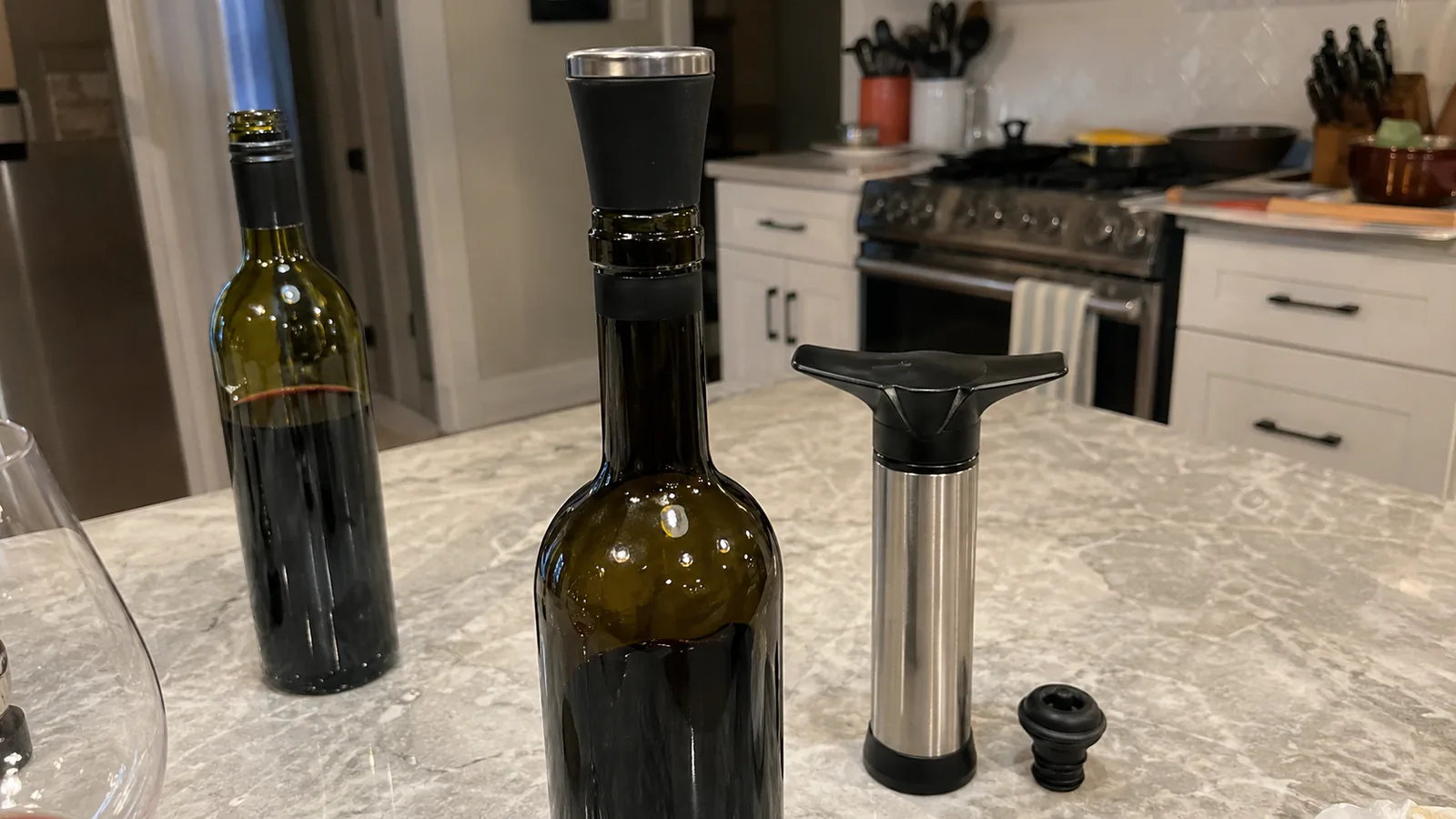
Best Wine Preservation System: 5 Picks That Work
Five wine preservation systems ranked by method: vacuum pump, Coravin needle, sparkling stopper, and simple seal. Keep open bottles fresh.
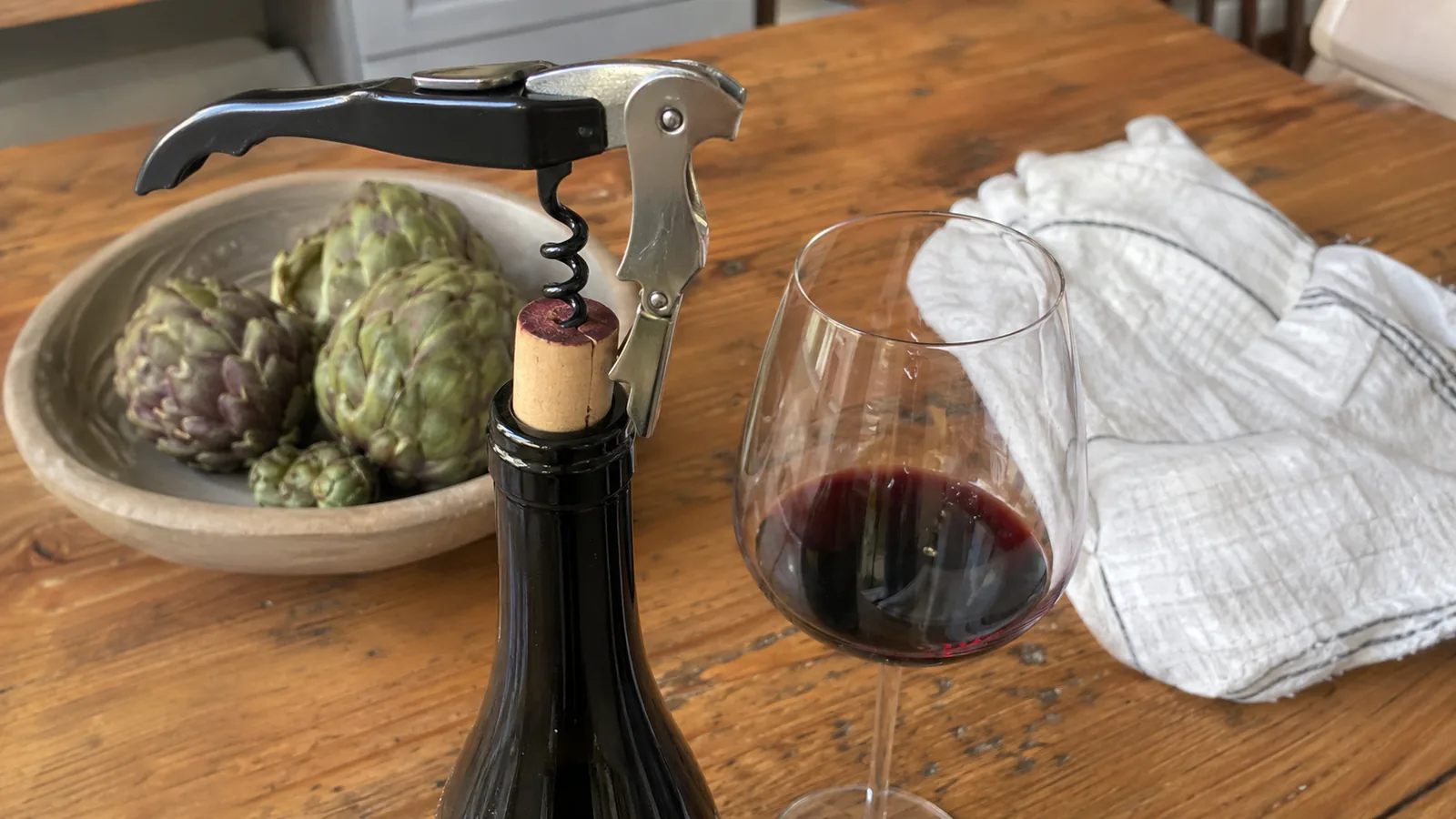
Best Wine Opener: 5 Corkscrews Worth Buying
Five wine openers ranked by type, from a waiter's corkscrew to an electric opener. Pick the right corkscrew for how you drink.
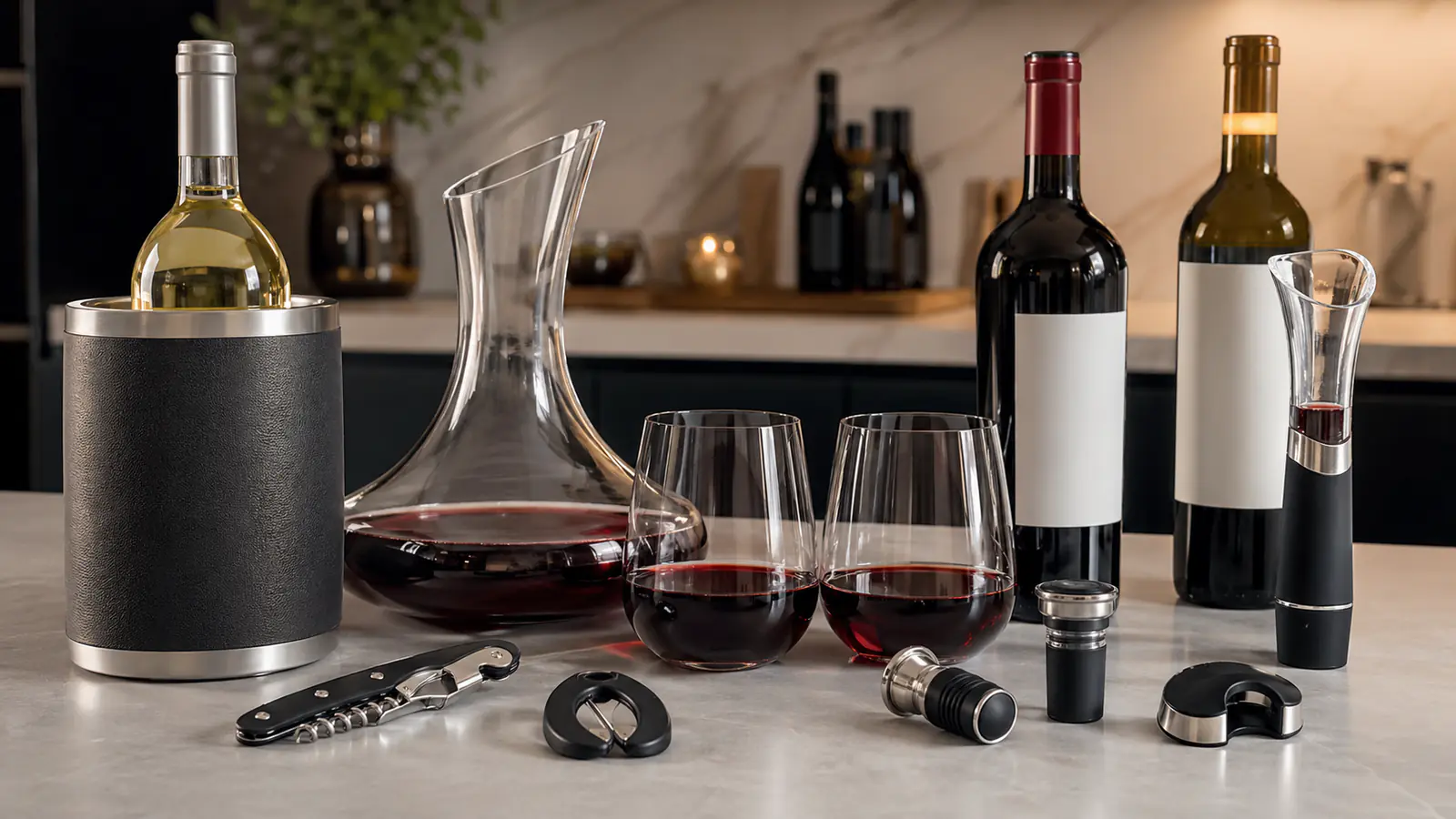
Best Wine Tools and Accessories: 9 Essentials
The 9 wine tools every home wine drinker needs: opener, glasses, decanter, aerator, stopper, rack, chiller, foil cutter. All Amazon, 4.6+ stars.