Wine Fridge vs Regular Fridge: Which Do You Need?
Storing wine in your regular fridge? Here's when it works fine and when a wine fridge is actually worth it.
Your regular fridge keeps wine cold. A wine fridge keeps wine right. Those two things are not the same, and the gap between them matters more the longer you plan to hold the bottle.
Here’s the honest answer: if you’re drinking the wine within a few days, your regular fridge is fine. If you’re storing it for weeks, months, or longer, a dedicated wine fridge will make a real difference to what ends up in your glass.
Everything below explains exactly why.
The Core Problem With Regular Fridges
Standard kitchen fridges run at 35 to 38°F (2 to 3°C). That’s the right temperature for keeping food safe. It’s too cold for wine.
Wine stores best at around 55°F (13°C). Below that, the cold slows down the chemistry inside the bottle. Aromas go flat. Sediment in older reds can behave unpredictably. And if you’re storing bottles for more than a couple of weeks, the temperature swings every time you open the door start to add up.
There’s also humidity. Regular fridges are designed to keep things dry, which is great for produce but bad for corks. When corks dry out, they shrink slightly and let air in. Oxidation follows, and the wine starts tasting tired before its time.
What a Wine Fridge Does Differently
A wine fridge controls three things your regular fridge doesn’t:
Temperature. Wine fridges hold a steady 45 to 65°F depending on the model and your settings. Dual-zone fridges let you keep reds and whites at different temperatures. No fluctuations. No door-opening spikes.
Humidity. Most wine fridges maintain 50 to 70% relative humidity. Corks stay moist. Seals stay tight. The wine inside stays protected.
Vibration and light. Compressor vibration disturbs sediment and can accelerate chemical reactions over time. Wine fridges use vibration-dampening shelves and UV-blocking glass to eliminate both risks. Your kitchen fridge has neither.
When Your Regular Fridge Works Fine
Be honest about your drinking habits before spending money. A dedicated wine fridge is overkill if:
You’re buying wine and drinking it within a week. Short-term storage at fridge temperature is perfectly fine. The wine won’t spoil. It’ll just be cold.
You’re chilling a bottle of white before dinner. Pop it in the regular fridge an hour before you pour. No problem. If you regularly want a bottle cold on demand without the wait, a wine chiller sleeve handles that without dedicating a whole fridge.
You’ve opened a bottle of red and want to save the rest. Stick it in the fridge with a stopper. It’ll keep for 3 to 5 days. Pull it out 20 minutes before you drink so it warms back up. For longer-term preservation, a proper preservation system does more than a regular cork.
When a Wine Fridge Is Worth It
The calculation changes quickly once you start holding bottles for longer periods:
You’re building a collection, even a small one. Twenty bottles sitting in a cabinet that swings between 65°F in winter and 80°F in summer is not storage. It’s slow damage. A wine fridge at 55°F stops that. Our best wine fridge guide covers compact countertop options through dual-zone freestanding units.
You buy bottles to drink later. If you’ve ever bought wine as a gift, for a special occasion, or just because the price was right, a wine fridge protects that investment. Six months in the wrong conditions can flatten a wine you paid good money for.
You drink both reds and whites regularly. A dual-zone wine fridge lets you serve both at their correct temperatures without thinking about it. Whites at 45 to 50°F, lighter reds at 55 to 60°F, full-bodied reds at 60 to 65°F.
You’ve started noticing your wine tastes worse than it should. If bottles you were excited about are underwhelming you, storage conditions are worth checking before you blame the wine.
The Quick Comparison
| Factor | Regular Fridge | Wine Fridge |
|---|---|---|
| Temperature | 35 to 38°F (too cold) | 45 to 65°F (adjustable) |
| Humidity | Low (dries corks) | 50 to 70% RH |
| Temperature consistency | Fluctuates with door use | Steady |
| Vibration control | None | Dampened shelves |
| UV protection | None | UV-blocking glass |
| Best for | Chilling before serving, 1 to 7 days | Weeks, months, longer-term storage |
Frequently Asked Questions
Can I store red wine in a regular fridge?
Yes, for short-term storage of up to a week. Pull it out 20 to 30 minutes before you drink so it comes back up to serving temperature. For longer storage, the temperature is too cold and the humidity too low.
What temperature should wine be stored at?
55°F (13°C) is the classic long-term storage temperature. For serving, whites and rosés do best at 45 to 50°F, lighter reds at 55 to 60°F, and full-bodied reds at 60 to 65°F.
How long can wine sit in a regular fridge?
Unopened wine can sit in your regular fridge for up to a week without much harm. Opened wine keeps for 3 to 5 days with a proper stopper. Beyond that, you’ll start to notice it tasting flatter and more oxidised.
Does a wine fridge really make a difference?
For bottles you plan to drink within a week? Probably not enough to justify the cost. For anything you’re holding longer, yes. Temperature stability and humidity control are the two things that protect wine over time, and a regular fridge does neither well.
Are wine fridges expensive to run?
A typical countertop wine fridge uses about as much electricity as a few light bulbs. Thermoelectric models are quieter and use slightly less power than compressor models, though they work better in temperature-controlled rooms.
Related Guides
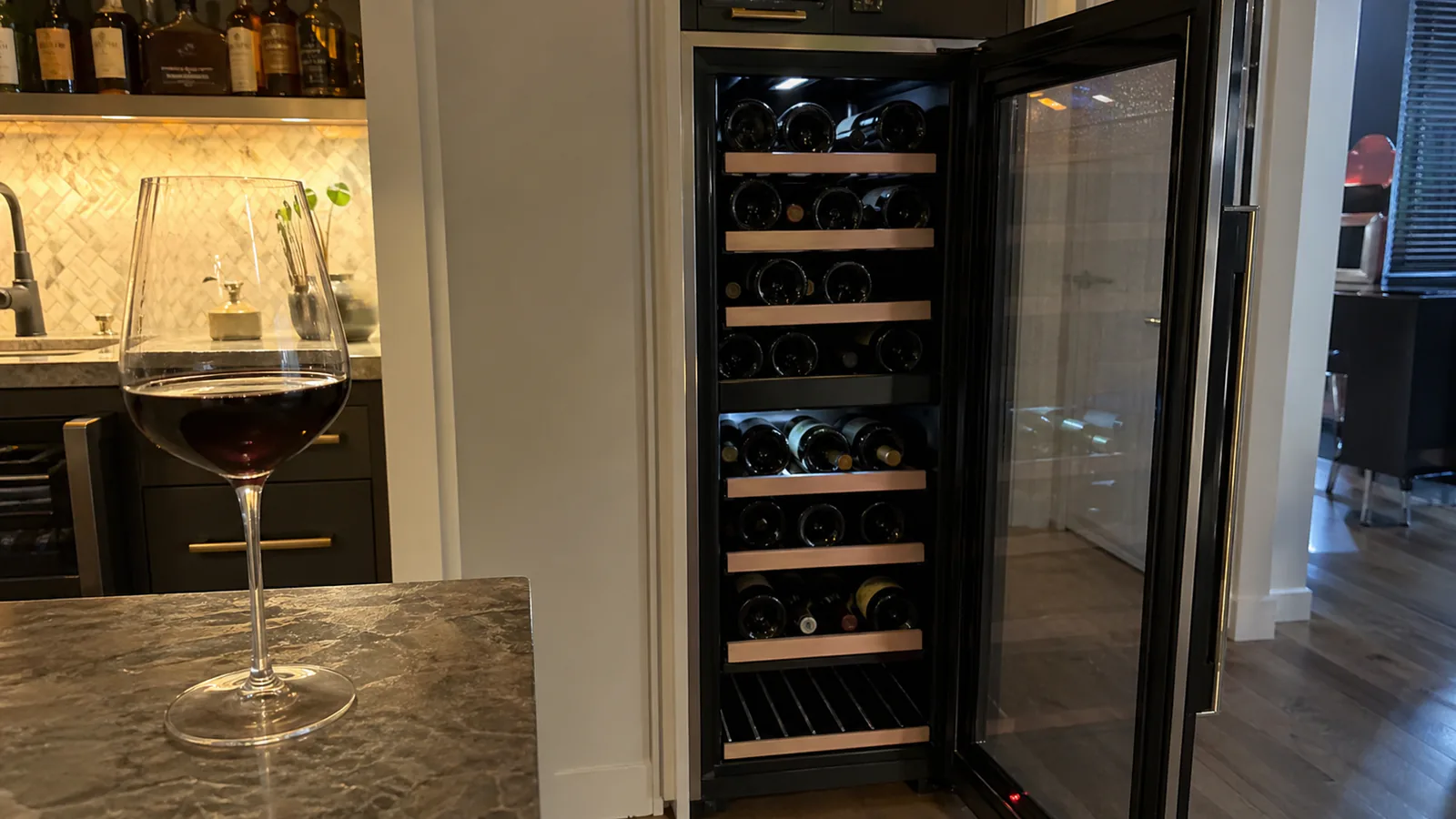
Best Wine Fridge: 5 Picks for Every Budget and Space
Five wine fridges ranked by use case: countertop, dual zone, and freestanding. Find the right wine cooler for your collection and budget.
Best Wine Chillers: 5 That Keep Your Bottle Cold
The right wine chiller keeps whites, rosé, and sparkling at peak temperature from first glass to last. Five worth buying, ranked and compared.
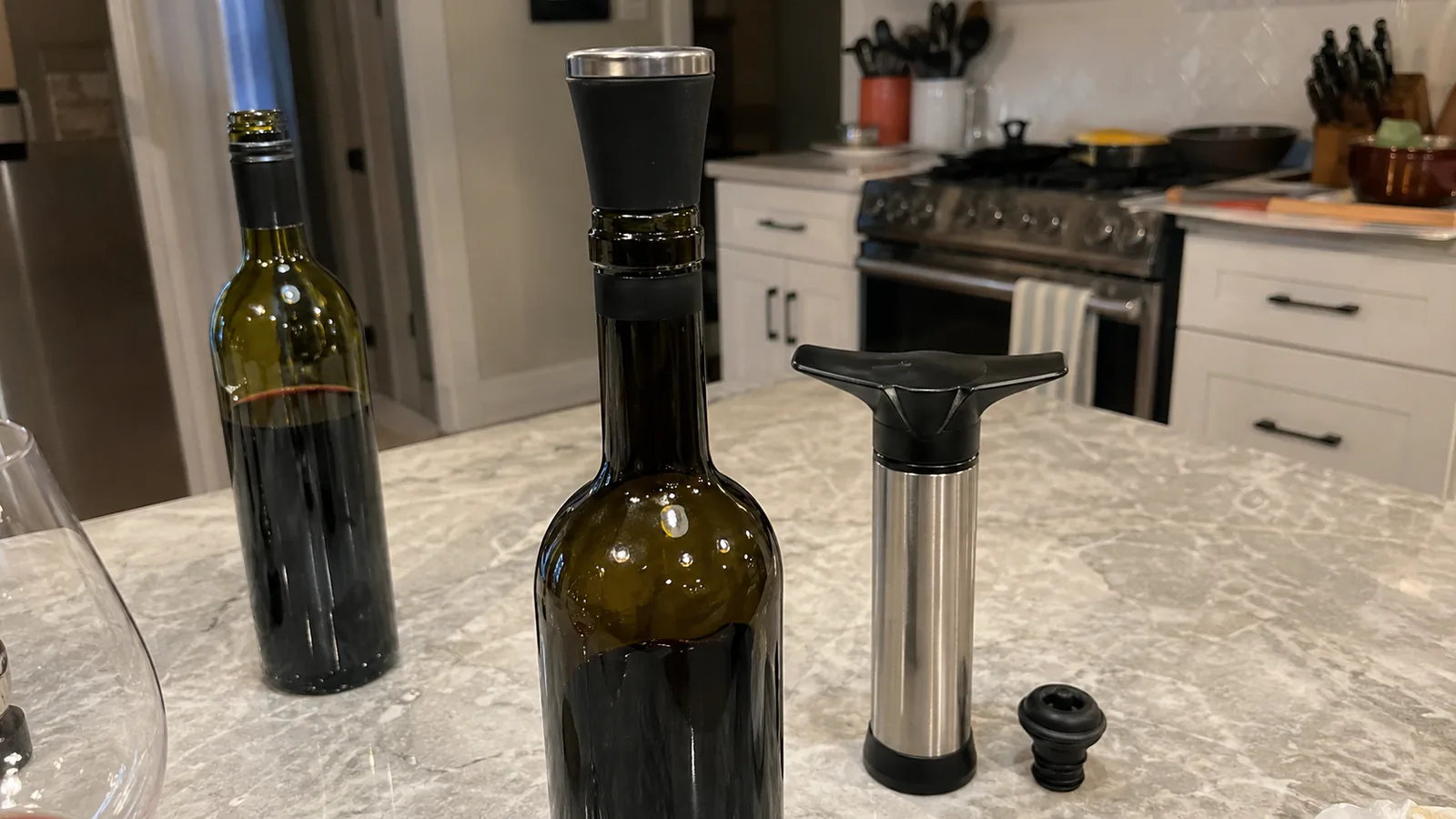
Best Wine Preservation System: 5 Picks That Work
Five wine preservation systems ranked by method: vacuum pump, Coravin needle, sparkling stopper, and simple seal. Keep open bottles fresh.